Tuesday, November 26, 2024

Subtle Indicators That Your Ex Is Done

Subtle Indicators That Your Ex Is Done

Subtle Indicators That Your Ex Is Truly Done

Heartbreak is a messy business, often leaving us clinging to hope long after it’s realistically gone. While a dramatic declaration of "it's over" provides closure, more often than not, the end of a relationship unfolds subtly. Learning to recognize these subtle signs can expedite the healing process, allowing you to move on with grace and self-respect. This isn't about manipulating your ex or forcing a reconciliation; it's about recognizing reality and prioritizing your own well-being.

Changes in Communication

The way your ex communicates, or rather, *doesn't* communicate, speaks volumes. Look beyond the occasional text; observe the overall pattern. Does their responsiveness consistently lag? Do their messages feel curt, lacking the warmth and engagement you once shared? Have casual check-ins become infrequent or nonexistent? These aren’t necessarily malicious acts; they’re often passive indicators of emotional detachment. They've mentally moved on, and their communication reflects this new emotional landscape. Instead of wrestling with unanswered questions, consider these shifts as confirmation that this chapter has closed.

The Absence of Effort

A truly invested partner actively works at maintaining the connection, even amidst challenges. Notice if your ex makes minimal effort to arrange even casual contact. If they consistently cancel plans or fail to follow through on promises, it points to a diminishing interest level and emotional disengagement. This lack of effort isn't about forgetfulness; it's a deliberate distancing tactic reflecting their internal decision to move on.

Shifts in Social Dynamics

Social media, while often a source of heartache, can also provide valuable, albeit subtle, clues. Observe their activity. Have they removed photos of you or limited your access to their profile? Do they actively post about new interests or relationships that exclude you? While these actions aren’t always intentional, they frequently signal a desire to emotionally distance themselves and create a new narrative free from your presence. It's a quiet declaration of their emotional detachment and readiness to embark on a new path.

The Elusive "Future Talk"

When a relationship is ending, discussions about the future become increasingly rare, almost nonexistent. If your ex avoids conversations about shared plans, joint ventures, or even casual future possibilities, it’s a strong indicator that they've mentally checked out of the relationship. They aren’t envisioning a future with you, and that absence of shared dreams is a stark reflection of their emotional disconnection.

Behavioral Changes

Beyond communication and social media, pay attention to tangible behavioral shifts. Do they seem more distant, both physically and emotionally, even during in-person interactions? Are they less responsive to your feelings or needs? Do they prioritize other commitments over spending time with you? While individual behavior varies, a consistent pattern of avoidance or emotional unavailability often signals the end of the relationship, even if explicitly stated.

Prioritizing Their Own Needs

This isn't necessarily negative; it's a natural consequence of moving on. If your ex prioritizes self-care, personal growth, and fulfilling their own needs with little to no regard for your feelings, that's a clear sign they've prioritized themselves and moved on from the relationship dynamic. It's a stage of self-discovery and emotional independence, that often excludes the shared bond you once had.

Recognizing these subtle signs doesn't magically erase the pain of heartbreak, but it provides clarity and empowers you to start the healing process. Remember, you deserve a relationship built on mutual respect, effort, and open communication. Accepting the reality that your ex has moved on allows you to focus on building a brighter, healthier future for yourself.


Should I Text My Ex Boyfriend After a Breakup? Signs You Should Reach Out

Should I Text My Ex Boyfriend After a Breakup? Signs You Should Reach Out

Should I Text My Ex-Boyfriend After a Breakup? Signs You Should Reach Out

The aftermath of a romantic relationship's dissolution often leaves individuals grappling with a complex array of emotions. The urge to contact an ex-boyfriend, whether for closure, reconciliation, or simply to check in, is a common experience. However, the decision to reach out requires careful consideration and a thorough self-assessment. This article will explore the circumstances under which contacting an ex-boyfriend post-breakup might be warranted, providing a framework for making an informed decision.

Understanding Your Motivations: A Critical First Step

Before initiating contact, it is crucial to introspect and honestly evaluate your motivations. Are you driven by genuine concern, a desire for reconciliation, or perhaps a need for validation? Identifying your underlying reasons is paramount in determining whether reaching out is appropriate and productive. Acting on impulsive feelings without self-reflection can often exacerbate the situation and hinder the healing process.

Genuine Concern for Well-being

If your ex-boyfriend is facing a significant personal crisis â€" a serious illness, a family emergency, or a profound mental health challenge â€" reaching out might be justified. In such cases, a brief and empathetic message expressing concern is acceptable. However, it's essential to maintain boundaries and avoid engaging in extended conversations that could reignite emotional turmoil.

Desire for Reconciliation: Weighing the Pros and Cons

The desire for reconciliation is a common, yet complex, motivation for contacting an ex. Before reaching out with the aim of rekindling the relationship, carefully consider the reasons for the breakup and whether those underlying issues have been addressed. A genuine desire for reconciliation necessitates a willingness to work through past difficulties and a commitment to mutual growth and understanding. Reaching out solely for companionship or out of loneliness may prove counterproductive.

Seeking Closure: A Necessary but Delicate Process

The pursuit of closure is a natural human response after a breakup. However, expecting a single conversation to provide all the answers you seek is unrealistic. If you genuinely need closure, frame your communication around specific unanswered questions rather than seeking a broader reconciliation. Approach the conversation with a calm, respectful demeanor and a clear understanding that you may not receive the answers you desire. Be prepared for the possibility that your ex may not be willing or able to provide the closure you seek.

Signs You Should Reach Out: Assessing the Situation

While contacting an ex-boyfriend should generally be approached with caution, there are certain scenarios where reaching out might be beneficial, even constructive. These scenarios require a delicate balance of honesty, respect, and self-awareness.

Unresolved Issues Requiring Discussion

If the breakup involved unresolved conflicts or misunderstandings that significantly impacted your emotional well-being, initiating a conversation aimed at clarification might be appropriate. However, this necessitates a willingness from both parties to engage in a mature and respectful dialogue focused on resolving the issues, not on rekindling the romance.

Shared Responsibilities or Obligations

If you share joint responsibilities â€" such as pet custody, financial arrangements, or shared property â€" communication is essential for smooth transitions. Maintain a strictly professional tone and focus solely on logistical matters. Avoid veering into emotional territory that could hinder the practical aspects of your shared obligations.

Mutual Respect and a History of Healthy Communication

If your relationship, despite its ending, was characterized by mutual respect and open communication, reaching out might be easier and less emotionally charged. However, even in such cases, consider the timing and context. Allow sufficient time for both parties to process the breakup before initiating contact. Maintain a respectful tone and avoid making demands or accusations.

A Change in Circumstances Warranting an Update

If there has been a significant positive change in your life â€" such as a career advancement, personal achievement, or a new fulfilling relationship â€" you might choose to share this news with your ex-boyfriend, especially if you share a positive history. However, frame the update as a simple sharing of positive news, avoiding any suggestion of seeking validation or comparison.

Signs You Should *Not* Reach Out: Recognizing Red Flags

Conversely, several signs strongly suggest that contacting your ex-boyfriend is likely to be detrimental to your emotional well-being. Ignoring these red flags can prolong the healing process and potentially lead to further emotional distress.

Impulsive or Emotionally Driven Contact

Reaching out out of loneliness, anger, or a desire for immediate validation is generally ill-advised. Such impulsive actions often result in regret and can hinder emotional healing. It's essential to allow yourself adequate time to process your emotions before considering any contact.

Unwillingness to Accept the Breakup

If you are not genuinely accepting of the relationship's end, contacting your ex-boyfriend is likely to prolong your suffering. Focus on self-reflection, personal growth, and moving forward rather than clinging to the past.

A History of Toxic or Abusive Behavior

If the relationship involved any form of abuse â€" emotional, physical, or verbal â€" contacting your ex-boyfriend is strongly discouraged. Prioritize your safety and well-being. Seek support from trusted friends, family, or professionals.

Repeated Attempts at Reconciliation Without Success

If you have previously attempted to reconcile without success, further attempts are unlikely to yield different results. Respect your ex-boyfriend's decision and focus on your personal healing and growth.

Conclusion: Prioritizing Your Well-being

The decision of whether to text your ex-boyfriend after a breakup is deeply personal and requires careful consideration. Honest self-reflection, a clear understanding of your motivations, and a realistic assessment of the situation are crucial. Prioritizing your emotional well-being and focusing on personal growth should always guide your decision-making process. If you are uncertain, seeking guidance from a trusted friend, family member, or therapist may provide valuable perspective and support.

Signs of Moving On: Is Your Ex Over You?

Signs of Moving On: Is Your Ex Over You?

Signs of Moving On: Is Your Ex Over You?

The breakup is done, the tears (hopefully) have dried, and now the agonizing question hangs in the air: is your ex over you? Knowing the answer can be crucial for your own healing and emotional well-being. While you can't read minds, certain behaviors and actions strongly suggest they've moved on, or at least are actively working towards it. This isn't about dwelling on the past or trying to win them back; it's about gaining clarity and empowering yourself to move forward. Let's explore the key signs that your ex has successfully navigated the post-breakup terrain and is looking towards the future, a future that doesn't include you.

Behavioral Shifts: A Clear Indication of Moving On

Observing your ex's actions offers the most concrete evidence. Look beyond fleeting moments and consider consistent patterns. Does their behavior fundamentally differ from how they acted during the relationship? A genuine shift indicates a significant change in their emotional landscape. This isn't about small quirks; it's about large-scale changes in how they interact with the world, their social life, and their emotional responses.

Reduced or Absent Contact

This is perhaps the most telling sign. If your ex initiated contact frequently during the relationship, a noticeable reduction or complete cessation signals a deliberate effort to create distance. This isn't about accidental encounters; it's about a conscious decision to limit interaction. While they might contact you for logistical reasons (shared belongings, etc.), these interactions will be brief, businesslike, and devoid of emotional undertones.

Active Pursuit of New Experiences

Have they embarked on new hobbies, joined new groups, or started traveling? The active pursuit of new experiences is a strong indication they are actively focusing on creating a life independent of your relationship. This isn't merely a distraction; it represents a proactive effort to expand their horizons and build a fulfilling life outside of the confines of the past relationship. This rebuilding of their life is a fundamental aspect of moving on.

Emotional Detachment: A Subtler but Significant Sign

Beyond outward actions, consider the emotional tone of any interaction you might have. True emotional detachment extends beyond simple avoidance. Look for a lack of emotional reactivity, both positive and negative. Do they appear unaffected by your life updates or any news that might have previously elicited a strong reaction? Their emotional flatness, even in the face of situations that previously caused strong emotions, points towards successful emotional disengagement.

Lack of Jealousy or Possessiveness

If they previously exhibited jealousy or possessiveness, the absence of these behaviors is a crucial indicator. Jealousy stems from a lingering attachment and a desire for control. If your ex shows no reaction to news of your dating life or new relationships, it suggests they've successfully let go of those possessive feelings. This emotional freedom signifies progress in their healing process.

Acceptance and Self-Reflection

Have they acknowledged their role in the relationship's demise? Honest self-reflection is a vital step in moving on. If your ex demonstrates an ability to look inward and take responsibility for their actions, it suggests a level of emotional maturity and a willingness to learn from the experience. This is more than simply placing blame; it involves a genuine effort to understand their contribution to the relationship's failure.

Moving Forward: Your Next Steps

Understanding whether your ex has moved on is not about reopening old wounds or second-guessing your decisions. It's about gaining closure and focusing on your own healing. Accepting that they've moved on (or are actively trying to) empowers you to do the same. Use this knowledge to foster self-growth, pursue your own passions, and create a fulfilling life independent of your past relationship. Remember, your happiness is not contingent upon your ex's emotional state. Your future is entirely in your hands.

The Importance of Shared Responsibilities in a Partnership

The Importance of Shared Responsibilities in a Partnership

The Importance of Shared Responsibilities in a Partnership

The success of any partnership, whether in business, personal relationships, or collaborative projects, hinges significantly on the equitable distribution and fulfillment of shared responsibilities. A clearly defined and mutually understood framework for responsibility allocation is not merely a good practice; it is a fundamental cornerstone upon which enduring and productive partnerships are built. Failure to establish such a framework often leads to resentment, conflict, and ultimately, the dissolution of the partnership. This article explores the multifaceted importance of shared responsibilities in fostering successful partnerships, highlighting the critical elements involved and the potential consequences of neglecting this crucial aspect.

Defining Shared Responsibilities

Before delving into the significance of shared responsibilities, it is crucial to define the concept precisely. Shared responsibilities, in the context of a partnership, refer to the mutually agreed-upon tasks, duties, and obligations that each partner undertakes to contribute to the overall success of the endeavor. This extends beyond simply dividing tasks; it encompasses a shared commitment to the overall goals, a collective accountability for outcomes, and a willingness to support each other in fulfilling individual roles.

Effective shared responsibility requires:

  • Clarity: Each partner must have a clear understanding of their specific responsibilities and how they contribute to the larger picture.
  • Transparency: Open communication regarding progress, challenges, and any necessary adjustments to responsibilities is vital.
  • Accountability: Each partner must be held accountable for their actions and their contribution to the shared goals.
  • Flexibility: The ability to adapt and adjust responsibilities as the partnership evolves and circumstances change is essential for resilience.

The Benefits of Clearly Defined Shared Responsibilities

The advantages of establishing and adhering to a well-defined framework for shared responsibilities are substantial and far-reaching. These benefits permeate all aspects of the partnership, fostering a more productive, harmonious, and ultimately successful collaboration.

Enhanced Efficiency and Productivity

When responsibilities are clearly delineated, each partner can focus their energies and expertise on specific tasks, minimizing duplication of effort and maximizing individual contributions. This focused approach leads to increased efficiency and overall productivity, as partners are not burdened by ambiguity or the need to constantly negotiate roles and tasks.

Reduced Conflict and Improved Communication

One of the most common causes of conflict in partnerships is a lack of clarity regarding responsibilities. When roles and duties are not clearly defined, misunderstandings, disagreements, and accusations of shirking responsibilities are inevitable. Establishing a clear framework minimizes such conflicts by providing a transparent and agreed-upon basis for collaboration.

Increased Trust and Mutual Respect

When partners consistently fulfill their responsibilities, it fosters a sense of trust and mutual respect. Knowing that each partner is committed to their role and contributing their fair share strengthens the bond between partners, creating a more collaborative and supportive environment.

Improved Decision-Making

Clear responsibilities facilitate more effective decision-making. When each partner understands their area of expertise and influence, decisions are made with a greater understanding of the implications and potential impact on the partnership as a whole. This distributed responsibility also prevents decision paralysis and allows for quicker and more informed choices.

Greater Resilience and Adaptability

Partnerships inevitably face challenges and unexpected setbacks. A well-defined framework for shared responsibilities allows the partnership to adapt and respond more effectively to these challenges. If one partner faces difficulties, the other partners can step in to support them, ensuring the continued progress of the partnership.

The Consequences of Neglecting Shared Responsibilities

Conversely, neglecting the importance of shared responsibilities can have severe and detrimental consequences for the partnership. These consequences range from decreased productivity and increased conflict to the ultimate failure of the partnership.

Decreased Productivity and Inefficiency

When responsibilities are unclear or unevenly distributed, partners may waste time and energy on redundant tasks or neglect crucial areas. This leads to decreased overall productivity and may even result in missed deadlines and missed opportunities.

Increased Conflict and Resentment

Unequal distribution of responsibilities often leads to feelings of resentment and frustration among partners. One partner may feel overburdened while another may feel they are carrying less than their fair share. This imbalance creates tension and can lead to significant conflict within the partnership.

Erosion of Trust and Communication Breakdown

When partners consistently fail to meet their responsibilities, it erodes trust and damages communication within the partnership. Partners may become reluctant to rely on each other, leading to a breakdown in communication and a lack of collaboration.

Reduced Commitment and Motivation

Feeling overburdened or undervalued can lead to reduced commitment and motivation among partners. Partners may become disengaged and less invested in the success of the partnership, hindering overall progress.

Potential for Partnership Dissolution

In the most severe cases, the failure to address issues related to shared responsibilities can lead to the dissolution of the partnership. The accumulated resentment, lack of trust, and decreased productivity can make it impossible for the partners to continue working together effectively.

Strategies for Establishing Effective Shared Responsibilities

Establishing effective shared responsibilities requires proactive planning and ongoing communication. Several key strategies can facilitate this process:

  • Clearly Define Roles and Responsibilities: Create a written document outlining each partner's specific responsibilities, including tasks, deadlines, and expected outcomes.
  • Regular Communication and Check-ins: Establish regular meetings or communication channels to discuss progress, address challenges, and make any necessary adjustments to responsibilities.
  • Open and Honest Feedback: Encourage open and honest feedback among partners, creating a safe space to express concerns and suggestions for improvement.
  • Flexibility and Adaptability: Recognize that responsibilities may need to be adjusted over time as the partnership evolves and circumstances change.
  • Conflict Resolution Mechanisms: Establish clear procedures for resolving conflicts that may arise regarding responsibilities.

In conclusion, the establishment and maintenance of clearly defined and equitably distributed shared responsibilities are paramount to the success of any partnership. By prioritizing this crucial aspect, partners can cultivate a collaborative, productive, and ultimately rewarding experience, laying a strong foundation for long-term success and mutual fulfillment.

The Breakup Blueprint: Steps for Healing and Growth

The Breakup Blueprint: Steps for Healing and Growth

The Breakup Blueprint: Steps for Healing and Growth

Heartbreak. It's a universal experience, leaving us feeling lost, confused, and utterly depleted. But the pain of a breakup doesn't have to define you. This blueprint provides actionable steps to navigate the emotional turmoil, heal your wounds, and emerge stronger and wiser on the other side. It’s not about forgetting, it’s about learning, growing, and ultimately, reclaiming your joy and self-worth.

Phase 1: Acknowledging and Processing the Pain

The first step isn't about magically moving on; it's about fully embracing the emotions that flood you. Suppressing grief only prolongs the healing process. Allow yourself to feel the sadness, anger, confusion, and even relief â€" whatever arises. Don't judge your feelings; simply acknowledge them. Journaling can be incredibly helpful here. Write down your thoughts, your memories, both good and bad. This process helps you untangle the complexities of the relationship and begin to make sense of what happened. Don't rush this phase. Healing takes time, and respecting that timeline is crucial for long-term growth.

Creating a Safe Space for Your Emotions

Surround yourself with people who offer genuine support and understanding. Lean on trusted friends and family members. They can provide a listening ear, a shoulder to cry on, and a much-needed sense of connection. If you feel overwhelmed, consider seeking professional help from a therapist or counselor. They provide a safe and non-judgmental space to process your emotions and develop healthy coping mechanisms.

Phase 2: Reclaiming Your Identity and Independence

Breakups often shatter our sense of self, especially if the relationship was a significant part of our identity. Rebuilding yourself starts with reconnecting with who you are outside of the relationship. Rediscover your passions, hobbies, and interests. Did you neglect your love of painting? Revisit it. Did you put your career aspirations on hold? It's time to reignite them. Start small. Even dedicating 30 minutes a day to an activity you enjoy can make a world of difference in boosting your mood and self-esteem. Remember the person you were before the relationship, and allow yourself to evolve into an even better version.

Setting Healthy Boundaries

Establishing healthy boundaries is vital during this phase. This includes limiting contact with your ex. Unfollowing them on social media, deleting their number, and avoiding places you know they frequent can be incredibly helpful in preventing emotional setbacks. Respect your own healing process and prioritize your well-being above all else. This might also involve setting boundaries with friends who continue to discuss your ex or keep bringing them up in conversation.

Phase 3: Growth and Moving Forward

This phase is about embracing the lessons learned from the relationship and using them to propel you forward. Reflect on the dynamics of the relationship. What worked? What didn't? What patterns do you recognize in your past relationships? This self-reflection is crucial for fostering healthier relationships in the future. Learning from your mistakes empowers you to make better choices going forward. This isn't about blaming yourself or your ex, but about identifying areas for personal growth and development.

Focusing on Self-Care and Self-Love

Prioritize self-care activities that nourish your mind, body, and soul. This could include exercise, meditation, spending time in nature, engaging in creative pursuits, or simply enjoying a relaxing bath. Engage in activities that bring you joy and a sense of accomplishment. Remember, self-love is not selfish; it's essential for building resilience and attracting positive relationships into your life. The ultimate goal is to emerge from this experience feeling empowered, self-assured, and ready for a brighter future â€" a future where you are the architect of your own happiness.

Steps to take for Healing and Growth

  • Allow yourself to grieve the loss.
  • Lean on your support system.
  • Re-discover your passions.
  • Set healthy boundaries.
  • Reflect on the relationship.
  • Prioritize self-care.
  • Embrace personal growth.

Sunday, November 24, 2024

The Impact of Time Apart on Your Relationship with Your Ex

The Impact of Time Apart on Your Relationship with Your Ex

The Impact of Time Apart on Your Relationship with Your Ex: Navigating the Post-Breakup Landscape

So, you've broken up. It sucks, right? Whether it was a mutual decision, a messy fight, or a slow fade-out, the aftermath can be a rollercoaster of emotions. One of the biggest questions that pops up, especially if there's even a sliver of hope for reconciliation or at least a friendly future, is: what does time apart actually *do* to your relationship with your ex? It's complicated, I know. There's no magic formula, but let's unpack this together and try to navigate this messy, emotional territory.

The Initial Aftermath: The Raw, Unfiltered Emotions

The first few weeks (or months, let's be honest) post-breakup are rarely pretty. You're dealing with a massive shift in your life, a loss of sorts. Expect a whirlwind of emotions: sadness, anger, confusion, maybe even relief. During this time, contact with your ex can feel necessary, maybe even vital for closure, but it can also be incredibly damaging. It keeps the wound fresh, prevents you from moving on, and often rehashes old arguments.

The Importance of No Contact (Most of the Time)

Many people advocate for "no contact" during this initial phase, and for good reason. This isn't about playing games; it's about giving yourself space to heal and process. Seeing their social media updates, hearing about their life through mutual friends â€" it all hinders your progress. No contact allows you to:

  • Focus on yourself: Reconnect with your own identity, rediscover your hobbies, and nurture your self-esteem.
  • Process your emotions: Without the constant reminder of your ex, you have the space to grieve the loss of the relationship and begin to heal.
  • Gain perspective: Distance offers clarity. You can start to see the relationship more objectively, recognizing patterns and behaviors you might have overlooked before.

Now, I'm not saying no contact is always perfect. If you have shared responsibilities (like pets or finances), minimal, practical communication is unavoidable. The key is to keep it brief, professional, and strictly focused on the task at hand.

The Middle Ground: Healing and Reflection

As time passes, the initial raw pain begins to subside. You're starting to feel more like yourself again. This is when the real work begins. This is the stage where the impact of time apart truly starts to reveal itself.

Re-evaluating the Relationship

With some distance, you can start to objectively assess the relationship. Were there underlying issues? Did your values align? What role did you play in the breakup? Honest self-reflection is crucial during this phase. This isn't about assigning blame; it's about learning from the experience and growing as an individual.

The Possibility of Friendship (or Not)

Some exes manage to forge a genuine friendship after a breakup. This usually happens when the relationship ended amicably, without significant hurt or betrayal. However, it’s important to understand that friendship isn’t always possible or desirable. Forcing a friendship when you’re still hurting can be incredibly painful, and sometimes, it's healthier to maintain a respectful distance.

The Long Term: Acceptance and Moving On

Months or even years down the line, the impact of time apart becomes even clearer. The memories become less raw, the emotions less intense. You might find that you can think about your ex without a surge of pain. This doesn't necessarily mean you’ve forgotten them or that you’re ready to be friends, but it means you've processed the experience and integrated it into your life story.

Acceptance and Closure

Acceptance is a crucial part of moving on. It's about accepting that the relationship is over, acknowledging the lessons learned, and embracing the future. Closure isn't always a dramatic event; it's often a gradual process of healing and self-discovery.

The Potential for Reconciliation

Time apart can sometimes lead to reconciliation. Both individuals have had a chance to reflect, heal, and potentially address underlying issues. However, this is rarely a simple case of getting back together. Reconciliation requires significant work, commitment, and a willingness to address the problems that led to the breakup in the first place. It's not a given, and it's often not the best outcome.

Things to Consider

  • Your individual healing process: Everyone heals at their own pace. Don't compare your journey to others.
  • The nature of the breakup: A messy, acrimonious breakup will require more time and space to heal than a more amicable split.
  • Your support system: Lean on friends and family for emotional support during this challenging time.
  • Self-care: Prioritize activities that promote your well-being, such as exercise, healthy eating, and mindfulness.

Commonly Asked Questions

Q: How long should I maintain no contact?

A: There's no magic number. It depends on the circumstances of the breakup and your individual healing process. Some people find a few weeks sufficient, while others need months or even longer.

Q: What if my ex reaches out?

A: This is a very personal decision. Consider your emotional state and whether responding will be beneficial to your healing. If you're not ready, it’s okay to ignore or politely decline contact.

Q: Is it possible to be friends with an ex?

A: Yes, but it takes time, maturity, and a genuine desire to maintain a platonic relationship. It’s often not possible immediately after a breakup, and it's not always healthy or advisable.

Q: What if I still have strong feelings for my ex?

A: This is perfectly normal, especially in the early stages after a breakup. Allow yourself to feel these emotions, but don’t let them prevent you from moving forward with your life.

Q: How do I know if I'm truly over my ex?

A: You’ll know when the thought of them no longer evokes intense emotional pain, and when you feel genuinely happy and fulfilled in your own life, with or without them.

Breaking up is hard, but it’s also an opportunity for growth and self-discovery. Remember to be patient with yourself, prioritize your well-being, and trust that time will heal.

Effective Strategies for Conflict Resolution

Effective Strategies for Conflict Resolution

Effective Strategies for Conflict Resolution

Conflict is inevitable in any interaction, whether personal or professional. However, the way we approach and resolve these disagreements significantly impacts our relationships and overall well-being. Learning effective conflict resolution strategies isn't about avoiding conflict entirely; it's about navigating disagreements constructively and emerging with stronger, healthier connections. This article explores practical strategies to help you effectively manage and resolve conflicts.

Understanding the Roots of Conflict

Before diving into resolution techniques, it's crucial to understand the underlying causes of conflict. Often, disagreements stem from miscommunication, unmet needs, differing values, or perceived injustices. Take a moment to identify the core issues fueling the conflict. Active listening plays a vital role here. Truly hearing the other person's perspective, without interrupting or formulating your response, allows you to grasp their feelings and concerns. This understanding forms the foundation for a productive resolution.

Identifying Underlying Needs

Delving deeper, ask yourself: What are the unmet needs driving this conflict? Are you seeking validation, respect, cooperation, or something else? Similarly, try to understand the other party's underlying needs. Often, the surface-level issue masks deeper, more fundamental concerns. By addressing these underlying needs, you move beyond superficial arguments and work towards a more sustainable resolution.

Effective Communication Techniques

Effective communication is the cornerstone of successful conflict resolution. This goes beyond simply talking; it involves active listening, clear expression, and empathy. Avoid accusatory language; instead, focus on using "I" statements to express your feelings and needs without blaming the other person. For example, instead of saying "You always interrupt me," try "I feel unheard when I'm interrupted." This approach fosters a more collaborative atmosphere.

The Power of Active Listening

Truly hearing what the other person is saying involves more than just listening to the words. Pay attention to their body language, tone of voice, and emotional state. Summarize their points to ensure you understand correctly, and ask clarifying questions to address any ambiguities. Show genuine empathy by acknowledging their feelings and perspectives, even if you don't agree with them.

Strategies for Reaching a Resolution

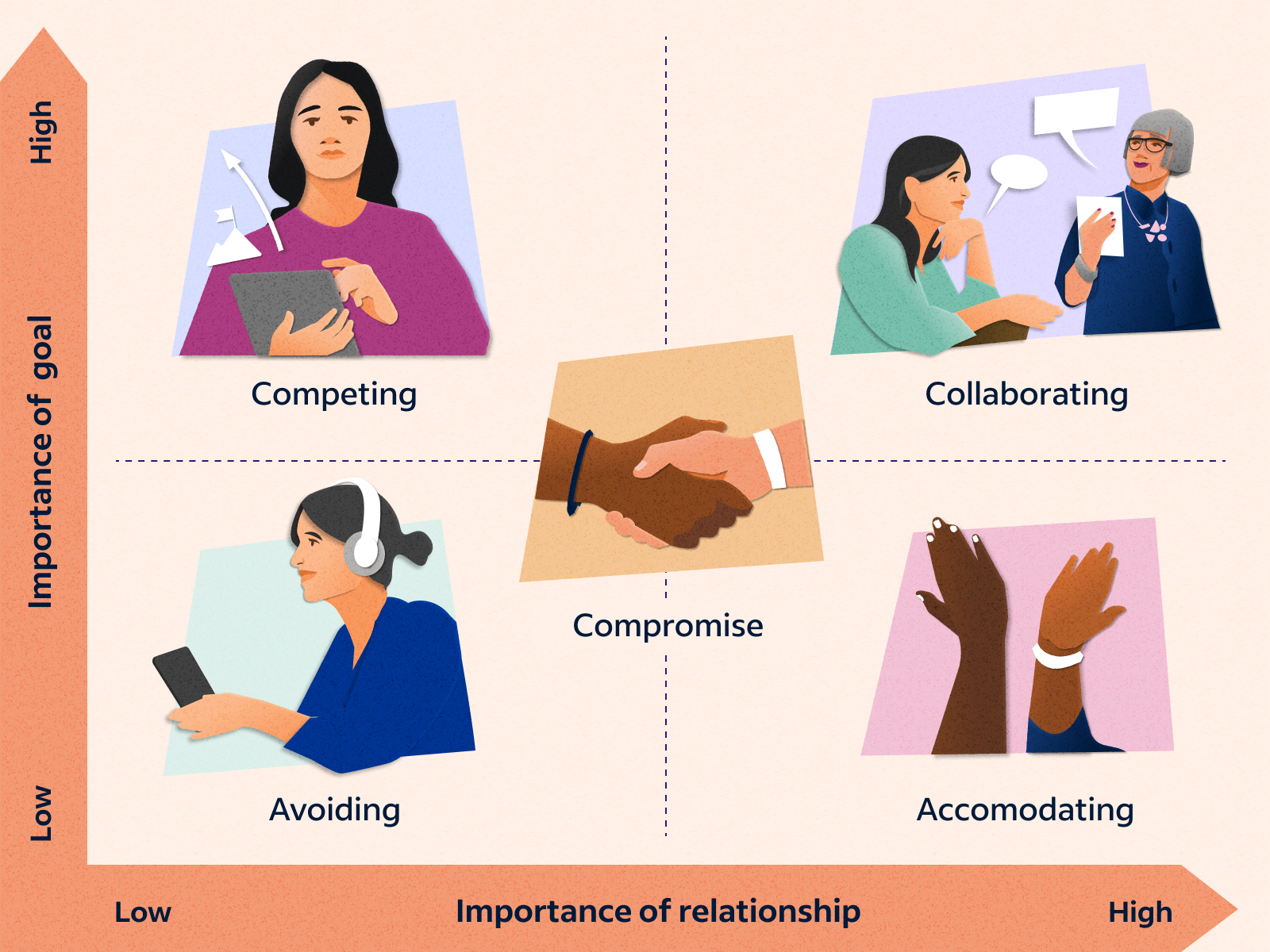
Numerous strategies can facilitate conflict resolution. Negotiation involves finding common ground and making compromises. This requires flexibility and a willingness to consider alternative solutions. Mediation, involving a neutral third party, can be particularly helpful in complex or highly emotional disputes. The mediator helps facilitate communication, identifies common ground, and guides the parties towards a mutually acceptable agreement.

Choosing the Right Approach

The best approach to conflict resolution depends on the nature of the conflict and the relationship between the involved parties. For minor disagreements, a simple conversation might suffice. However, more complex or deeply rooted conflicts may require more structured approaches, such as mediation or even professional counseling. Don't hesitate to seek help from a neutral third party if you're struggling to find a solution on your own.

Maintaining a Positive Relationship After Conflict

Even after resolving a conflict, it's crucial to focus on maintaining a positive relationship. Acknowledge the effort made by both parties to reach a resolution. Express appreciation for their willingness to work through the disagreement. Reiterate your commitment to the relationship and your desire to move forward. If necessary, agree on specific steps to prevent similar conflicts in the future. This proactive approach helps build resilience and strengthen the bond.

Preventing Future Conflicts

To minimize future conflicts, consider establishing clear communication channels, regularly discussing expectations, and proactively addressing minor issues before they escalate. Cultivating empathy and understanding within the relationship creates a foundation for navigating disagreements more effectively in the future. Remember, conflict is a normal part of life; it's how we handle it that truly matters.