Tuesday, November 26, 2024

Subtle Indicators That Your Ex Is Done

Subtle Indicators That Your Ex Is Done

Subtle Indicators That Your Ex Is Truly Done

Heartbreak is a messy business, often leaving us clinging to hope long after it’s realistically gone. While a dramatic declaration of "it's over" provides closure, more often than not, the end of a relationship unfolds subtly. Learning to recognize these subtle signs can expedite the healing process, allowing you to move on with grace and self-respect. This isn't about manipulating your ex or forcing a reconciliation; it's about recognizing reality and prioritizing your own well-being.

Changes in Communication

The way your ex communicates, or rather, *doesn't* communicate, speaks volumes. Look beyond the occasional text; observe the overall pattern. Does their responsiveness consistently lag? Do their messages feel curt, lacking the warmth and engagement you once shared? Have casual check-ins become infrequent or nonexistent? These aren’t necessarily malicious acts; they’re often passive indicators of emotional detachment. They've mentally moved on, and their communication reflects this new emotional landscape. Instead of wrestling with unanswered questions, consider these shifts as confirmation that this chapter has closed.

The Absence of Effort

A truly invested partner actively works at maintaining the connection, even amidst challenges. Notice if your ex makes minimal effort to arrange even casual contact. If they consistently cancel plans or fail to follow through on promises, it points to a diminishing interest level and emotional disengagement. This lack of effort isn't about forgetfulness; it's a deliberate distancing tactic reflecting their internal decision to move on.

Shifts in Social Dynamics

Social media, while often a source of heartache, can also provide valuable, albeit subtle, clues. Observe their activity. Have they removed photos of you or limited your access to their profile? Do they actively post about new interests or relationships that exclude you? While these actions aren’t always intentional, they frequently signal a desire to emotionally distance themselves and create a new narrative free from your presence. It's a quiet declaration of their emotional detachment and readiness to embark on a new path.

The Elusive "Future Talk"

When a relationship is ending, discussions about the future become increasingly rare, almost nonexistent. If your ex avoids conversations about shared plans, joint ventures, or even casual future possibilities, it’s a strong indicator that they've mentally checked out of the relationship. They aren’t envisioning a future with you, and that absence of shared dreams is a stark reflection of their emotional disconnection.

Behavioral Changes

Beyond communication and social media, pay attention to tangible behavioral shifts. Do they seem more distant, both physically and emotionally, even during in-person interactions? Are they less responsive to your feelings or needs? Do they prioritize other commitments over spending time with you? While individual behavior varies, a consistent pattern of avoidance or emotional unavailability often signals the end of the relationship, even if explicitly stated.

Prioritizing Their Own Needs

This isn't necessarily negative; it's a natural consequence of moving on. If your ex prioritizes self-care, personal growth, and fulfilling their own needs with little to no regard for your feelings, that's a clear sign they've prioritized themselves and moved on from the relationship dynamic. It's a stage of self-discovery and emotional independence, that often excludes the shared bond you once had.

Recognizing these subtle signs doesn't magically erase the pain of heartbreak, but it provides clarity and empowers you to start the healing process. Remember, you deserve a relationship built on mutual respect, effort, and open communication. Accepting the reality that your ex has moved on allows you to focus on building a brighter, healthier future for yourself.


Should I Text My Ex Boyfriend After a Breakup? Signs You Should Reach Out

Should I Text My Ex Boyfriend After a Breakup? Signs You Should Reach Out

Should I Text My Ex-Boyfriend After a Breakup? Signs You Should Reach Out

The aftermath of a romantic relationship's dissolution often leaves individuals grappling with a complex array of emotions. The urge to contact an ex-boyfriend, whether for closure, reconciliation, or simply to check in, is a common experience. However, the decision to reach out requires careful consideration and a thorough self-assessment. This article will explore the circumstances under which contacting an ex-boyfriend post-breakup might be warranted, providing a framework for making an informed decision.

Understanding Your Motivations: A Critical First Step

Before initiating contact, it is crucial to introspect and honestly evaluate your motivations. Are you driven by genuine concern, a desire for reconciliation, or perhaps a need for validation? Identifying your underlying reasons is paramount in determining whether reaching out is appropriate and productive. Acting on impulsive feelings without self-reflection can often exacerbate the situation and hinder the healing process.

Genuine Concern for Well-being

If your ex-boyfriend is facing a significant personal crisis â€" a serious illness, a family emergency, or a profound mental health challenge â€" reaching out might be justified. In such cases, a brief and empathetic message expressing concern is acceptable. However, it's essential to maintain boundaries and avoid engaging in extended conversations that could reignite emotional turmoil.

Desire for Reconciliation: Weighing the Pros and Cons

The desire for reconciliation is a common, yet complex, motivation for contacting an ex. Before reaching out with the aim of rekindling the relationship, carefully consider the reasons for the breakup and whether those underlying issues have been addressed. A genuine desire for reconciliation necessitates a willingness to work through past difficulties and a commitment to mutual growth and understanding. Reaching out solely for companionship or out of loneliness may prove counterproductive.

Seeking Closure: A Necessary but Delicate Process

The pursuit of closure is a natural human response after a breakup. However, expecting a single conversation to provide all the answers you seek is unrealistic. If you genuinely need closure, frame your communication around specific unanswered questions rather than seeking a broader reconciliation. Approach the conversation with a calm, respectful demeanor and a clear understanding that you may not receive the answers you desire. Be prepared for the possibility that your ex may not be willing or able to provide the closure you seek.

Signs You Should Reach Out: Assessing the Situation

While contacting an ex-boyfriend should generally be approached with caution, there are certain scenarios where reaching out might be beneficial, even constructive. These scenarios require a delicate balance of honesty, respect, and self-awareness.

Unresolved Issues Requiring Discussion

If the breakup involved unresolved conflicts or misunderstandings that significantly impacted your emotional well-being, initiating a conversation aimed at clarification might be appropriate. However, this necessitates a willingness from both parties to engage in a mature and respectful dialogue focused on resolving the issues, not on rekindling the romance.

Shared Responsibilities or Obligations

If you share joint responsibilities â€" such as pet custody, financial arrangements, or shared property â€" communication is essential for smooth transitions. Maintain a strictly professional tone and focus solely on logistical matters. Avoid veering into emotional territory that could hinder the practical aspects of your shared obligations.

Mutual Respect and a History of Healthy Communication

If your relationship, despite its ending, was characterized by mutual respect and open communication, reaching out might be easier and less emotionally charged. However, even in such cases, consider the timing and context. Allow sufficient time for both parties to process the breakup before initiating contact. Maintain a respectful tone and avoid making demands or accusations.

A Change in Circumstances Warranting an Update

If there has been a significant positive change in your life â€" such as a career advancement, personal achievement, or a new fulfilling relationship â€" you might choose to share this news with your ex-boyfriend, especially if you share a positive history. However, frame the update as a simple sharing of positive news, avoiding any suggestion of seeking validation or comparison.

Signs You Should *Not* Reach Out: Recognizing Red Flags

Conversely, several signs strongly suggest that contacting your ex-boyfriend is likely to be detrimental to your emotional well-being. Ignoring these red flags can prolong the healing process and potentially lead to further emotional distress.

Impulsive or Emotionally Driven Contact

Reaching out out of loneliness, anger, or a desire for immediate validation is generally ill-advised. Such impulsive actions often result in regret and can hinder emotional healing. It's essential to allow yourself adequate time to process your emotions before considering any contact.

Unwillingness to Accept the Breakup

If you are not genuinely accepting of the relationship's end, contacting your ex-boyfriend is likely to prolong your suffering. Focus on self-reflection, personal growth, and moving forward rather than clinging to the past.

A History of Toxic or Abusive Behavior

If the relationship involved any form of abuse â€" emotional, physical, or verbal â€" contacting your ex-boyfriend is strongly discouraged. Prioritize your safety and well-being. Seek support from trusted friends, family, or professionals.

Repeated Attempts at Reconciliation Without Success

If you have previously attempted to reconcile without success, further attempts are unlikely to yield different results. Respect your ex-boyfriend's decision and focus on your personal healing and growth.

Conclusion: Prioritizing Your Well-being

The decision of whether to text your ex-boyfriend after a breakup is deeply personal and requires careful consideration. Honest self-reflection, a clear understanding of your motivations, and a realistic assessment of the situation are crucial. Prioritizing your emotional well-being and focusing on personal growth should always guide your decision-making process. If you are uncertain, seeking guidance from a trusted friend, family member, or therapist may provide valuable perspective and support.

Signs of Moving On: Is Your Ex Over You?

Signs of Moving On: Is Your Ex Over You?

Signs of Moving On: Is Your Ex Over You?

The breakup is done, the tears (hopefully) have dried, and now the agonizing question hangs in the air: is your ex over you? Knowing the answer can be crucial for your own healing and emotional well-being. While you can't read minds, certain behaviors and actions strongly suggest they've moved on, or at least are actively working towards it. This isn't about dwelling on the past or trying to win them back; it's about gaining clarity and empowering yourself to move forward. Let's explore the key signs that your ex has successfully navigated the post-breakup terrain and is looking towards the future, a future that doesn't include you.

Behavioral Shifts: A Clear Indication of Moving On

Observing your ex's actions offers the most concrete evidence. Look beyond fleeting moments and consider consistent patterns. Does their behavior fundamentally differ from how they acted during the relationship? A genuine shift indicates a significant change in their emotional landscape. This isn't about small quirks; it's about large-scale changes in how they interact with the world, their social life, and their emotional responses.

Reduced or Absent Contact

This is perhaps the most telling sign. If your ex initiated contact frequently during the relationship, a noticeable reduction or complete cessation signals a deliberate effort to create distance. This isn't about accidental encounters; it's about a conscious decision to limit interaction. While they might contact you for logistical reasons (shared belongings, etc.), these interactions will be brief, businesslike, and devoid of emotional undertones.

Active Pursuit of New Experiences

Have they embarked on new hobbies, joined new groups, or started traveling? The active pursuit of new experiences is a strong indication they are actively focusing on creating a life independent of your relationship. This isn't merely a distraction; it represents a proactive effort to expand their horizons and build a fulfilling life outside of the confines of the past relationship. This rebuilding of their life is a fundamental aspect of moving on.

Emotional Detachment: A Subtler but Significant Sign

Beyond outward actions, consider the emotional tone of any interaction you might have. True emotional detachment extends beyond simple avoidance. Look for a lack of emotional reactivity, both positive and negative. Do they appear unaffected by your life updates or any news that might have previously elicited a strong reaction? Their emotional flatness, even in the face of situations that previously caused strong emotions, points towards successful emotional disengagement.

Lack of Jealousy or Possessiveness

If they previously exhibited jealousy or possessiveness, the absence of these behaviors is a crucial indicator. Jealousy stems from a lingering attachment and a desire for control. If your ex shows no reaction to news of your dating life or new relationships, it suggests they've successfully let go of those possessive feelings. This emotional freedom signifies progress in their healing process.

Acceptance and Self-Reflection

Have they acknowledged their role in the relationship's demise? Honest self-reflection is a vital step in moving on. If your ex demonstrates an ability to look inward and take responsibility for their actions, it suggests a level of emotional maturity and a willingness to learn from the experience. This is more than simply placing blame; it involves a genuine effort to understand their contribution to the relationship's failure.

Moving Forward: Your Next Steps

Understanding whether your ex has moved on is not about reopening old wounds or second-guessing your decisions. It's about gaining closure and focusing on your own healing. Accepting that they've moved on (or are actively trying to) empowers you to do the same. Use this knowledge to foster self-growth, pursue your own passions, and create a fulfilling life independent of your past relationship. Remember, your happiness is not contingent upon your ex's emotional state. Your future is entirely in your hands.

The Importance of Shared Responsibilities in a Partnership

The Importance of Shared Responsibilities in a Partnership

The Importance of Shared Responsibilities in a Partnership

The success of any partnership, whether in business, personal relationships, or collaborative projects, hinges significantly on the equitable distribution and fulfillment of shared responsibilities. A clearly defined and mutually understood framework for responsibility allocation is not merely a good practice; it is a fundamental cornerstone upon which enduring and productive partnerships are built. Failure to establish such a framework often leads to resentment, conflict, and ultimately, the dissolution of the partnership. This article explores the multifaceted importance of shared responsibilities in fostering successful partnerships, highlighting the critical elements involved and the potential consequences of neglecting this crucial aspect.

Defining Shared Responsibilities

Before delving into the significance of shared responsibilities, it is crucial to define the concept precisely. Shared responsibilities, in the context of a partnership, refer to the mutually agreed-upon tasks, duties, and obligations that each partner undertakes to contribute to the overall success of the endeavor. This extends beyond simply dividing tasks; it encompasses a shared commitment to the overall goals, a collective accountability for outcomes, and a willingness to support each other in fulfilling individual roles.

Effective shared responsibility requires:

  • Clarity: Each partner must have a clear understanding of their specific responsibilities and how they contribute to the larger picture.
  • Transparency: Open communication regarding progress, challenges, and any necessary adjustments to responsibilities is vital.
  • Accountability: Each partner must be held accountable for their actions and their contribution to the shared goals.
  • Flexibility: The ability to adapt and adjust responsibilities as the partnership evolves and circumstances change is essential for resilience.

The Benefits of Clearly Defined Shared Responsibilities

The advantages of establishing and adhering to a well-defined framework for shared responsibilities are substantial and far-reaching. These benefits permeate all aspects of the partnership, fostering a more productive, harmonious, and ultimately successful collaboration.

Enhanced Efficiency and Productivity

When responsibilities are clearly delineated, each partner can focus their energies and expertise on specific tasks, minimizing duplication of effort and maximizing individual contributions. This focused approach leads to increased efficiency and overall productivity, as partners are not burdened by ambiguity or the need to constantly negotiate roles and tasks.

Reduced Conflict and Improved Communication

One of the most common causes of conflict in partnerships is a lack of clarity regarding responsibilities. When roles and duties are not clearly defined, misunderstandings, disagreements, and accusations of shirking responsibilities are inevitable. Establishing a clear framework minimizes such conflicts by providing a transparent and agreed-upon basis for collaboration.

Increased Trust and Mutual Respect

When partners consistently fulfill their responsibilities, it fosters a sense of trust and mutual respect. Knowing that each partner is committed to their role and contributing their fair share strengthens the bond between partners, creating a more collaborative and supportive environment.

Improved Decision-Making

Clear responsibilities facilitate more effective decision-making. When each partner understands their area of expertise and influence, decisions are made with a greater understanding of the implications and potential impact on the partnership as a whole. This distributed responsibility also prevents decision paralysis and allows for quicker and more informed choices.

Greater Resilience and Adaptability

Partnerships inevitably face challenges and unexpected setbacks. A well-defined framework for shared responsibilities allows the partnership to adapt and respond more effectively to these challenges. If one partner faces difficulties, the other partners can step in to support them, ensuring the continued progress of the partnership.

The Consequences of Neglecting Shared Responsibilities

Conversely, neglecting the importance of shared responsibilities can have severe and detrimental consequences for the partnership. These consequences range from decreased productivity and increased conflict to the ultimate failure of the partnership.

Decreased Productivity and Inefficiency

When responsibilities are unclear or unevenly distributed, partners may waste time and energy on redundant tasks or neglect crucial areas. This leads to decreased overall productivity and may even result in missed deadlines and missed opportunities.

Increased Conflict and Resentment

Unequal distribution of responsibilities often leads to feelings of resentment and frustration among partners. One partner may feel overburdened while another may feel they are carrying less than their fair share. This imbalance creates tension and can lead to significant conflict within the partnership.

Erosion of Trust and Communication Breakdown

When partners consistently fail to meet their responsibilities, it erodes trust and damages communication within the partnership. Partners may become reluctant to rely on each other, leading to a breakdown in communication and a lack of collaboration.

Reduced Commitment and Motivation

Feeling overburdened or undervalued can lead to reduced commitment and motivation among partners. Partners may become disengaged and less invested in the success of the partnership, hindering overall progress.

Potential for Partnership Dissolution

In the most severe cases, the failure to address issues related to shared responsibilities can lead to the dissolution of the partnership. The accumulated resentment, lack of trust, and decreased productivity can make it impossible for the partners to continue working together effectively.

Strategies for Establishing Effective Shared Responsibilities

Establishing effective shared responsibilities requires proactive planning and ongoing communication. Several key strategies can facilitate this process:

  • Clearly Define Roles and Responsibilities: Create a written document outlining each partner's specific responsibilities, including tasks, deadlines, and expected outcomes.
  • Regular Communication and Check-ins: Establish regular meetings or communication channels to discuss progress, address challenges, and make any necessary adjustments to responsibilities.
  • Open and Honest Feedback: Encourage open and honest feedback among partners, creating a safe space to express concerns and suggestions for improvement.
  • Flexibility and Adaptability: Recognize that responsibilities may need to be adjusted over time as the partnership evolves and circumstances change.
  • Conflict Resolution Mechanisms: Establish clear procedures for resolving conflicts that may arise regarding responsibilities.

In conclusion, the establishment and maintenance of clearly defined and equitably distributed shared responsibilities are paramount to the success of any partnership. By prioritizing this crucial aspect, partners can cultivate a collaborative, productive, and ultimately rewarding experience, laying a strong foundation for long-term success and mutual fulfillment.

The Breakup Blueprint: Steps for Healing and Growth

The Breakup Blueprint: Steps for Healing and Growth

The Breakup Blueprint: Steps for Healing and Growth

Heartbreak. It's a universal experience, leaving us feeling lost, confused, and utterly depleted. But the pain of a breakup doesn't have to define you. This blueprint provides actionable steps to navigate the emotional turmoil, heal your wounds, and emerge stronger and wiser on the other side. It’s not about forgetting, it’s about learning, growing, and ultimately, reclaiming your joy and self-worth.

Phase 1: Acknowledging and Processing the Pain

The first step isn't about magically moving on; it's about fully embracing the emotions that flood you. Suppressing grief only prolongs the healing process. Allow yourself to feel the sadness, anger, confusion, and even relief â€" whatever arises. Don't judge your feelings; simply acknowledge them. Journaling can be incredibly helpful here. Write down your thoughts, your memories, both good and bad. This process helps you untangle the complexities of the relationship and begin to make sense of what happened. Don't rush this phase. Healing takes time, and respecting that timeline is crucial for long-term growth.

Creating a Safe Space for Your Emotions

Surround yourself with people who offer genuine support and understanding. Lean on trusted friends and family members. They can provide a listening ear, a shoulder to cry on, and a much-needed sense of connection. If you feel overwhelmed, consider seeking professional help from a therapist or counselor. They provide a safe and non-judgmental space to process your emotions and develop healthy coping mechanisms.

Phase 2: Reclaiming Your Identity and Independence

Breakups often shatter our sense of self, especially if the relationship was a significant part of our identity. Rebuilding yourself starts with reconnecting with who you are outside of the relationship. Rediscover your passions, hobbies, and interests. Did you neglect your love of painting? Revisit it. Did you put your career aspirations on hold? It's time to reignite them. Start small. Even dedicating 30 minutes a day to an activity you enjoy can make a world of difference in boosting your mood and self-esteem. Remember the person you were before the relationship, and allow yourself to evolve into an even better version.

Setting Healthy Boundaries

Establishing healthy boundaries is vital during this phase. This includes limiting contact with your ex. Unfollowing them on social media, deleting their number, and avoiding places you know they frequent can be incredibly helpful in preventing emotional setbacks. Respect your own healing process and prioritize your well-being above all else. This might also involve setting boundaries with friends who continue to discuss your ex or keep bringing them up in conversation.

Phase 3: Growth and Moving Forward

This phase is about embracing the lessons learned from the relationship and using them to propel you forward. Reflect on the dynamics of the relationship. What worked? What didn't? What patterns do you recognize in your past relationships? This self-reflection is crucial for fostering healthier relationships in the future. Learning from your mistakes empowers you to make better choices going forward. This isn't about blaming yourself or your ex, but about identifying areas for personal growth and development.

Focusing on Self-Care and Self-Love

Prioritize self-care activities that nourish your mind, body, and soul. This could include exercise, meditation, spending time in nature, engaging in creative pursuits, or simply enjoying a relaxing bath. Engage in activities that bring you joy and a sense of accomplishment. Remember, self-love is not selfish; it's essential for building resilience and attracting positive relationships into your life. The ultimate goal is to emerge from this experience feeling empowered, self-assured, and ready for a brighter future â€" a future where you are the architect of your own happiness.

Steps to take for Healing and Growth

  • Allow yourself to grieve the loss.
  • Lean on your support system.
  • Re-discover your passions.
  • Set healthy boundaries.
  • Reflect on the relationship.
  • Prioritize self-care.
  • Embrace personal growth.

Sunday, November 24, 2024

The Impact of Time Apart on Your Relationship with Your Ex

The Impact of Time Apart on Your Relationship with Your Ex

The Impact of Time Apart on Your Relationship with Your Ex: Navigating the Post-Breakup Landscape

So, you've broken up. It sucks, right? Whether it was a mutual decision, a messy fight, or a slow fade-out, the aftermath can be a rollercoaster of emotions. One of the biggest questions that pops up, especially if there's even a sliver of hope for reconciliation or at least a friendly future, is: what does time apart actually *do* to your relationship with your ex? It's complicated, I know. There's no magic formula, but let's unpack this together and try to navigate this messy, emotional territory.

The Initial Aftermath: The Raw, Unfiltered Emotions

The first few weeks (or months, let's be honest) post-breakup are rarely pretty. You're dealing with a massive shift in your life, a loss of sorts. Expect a whirlwind of emotions: sadness, anger, confusion, maybe even relief. During this time, contact with your ex can feel necessary, maybe even vital for closure, but it can also be incredibly damaging. It keeps the wound fresh, prevents you from moving on, and often rehashes old arguments.

The Importance of No Contact (Most of the Time)

Many people advocate for "no contact" during this initial phase, and for good reason. This isn't about playing games; it's about giving yourself space to heal and process. Seeing their social media updates, hearing about their life through mutual friends â€" it all hinders your progress. No contact allows you to:

  • Focus on yourself: Reconnect with your own identity, rediscover your hobbies, and nurture your self-esteem.
  • Process your emotions: Without the constant reminder of your ex, you have the space to grieve the loss of the relationship and begin to heal.
  • Gain perspective: Distance offers clarity. You can start to see the relationship more objectively, recognizing patterns and behaviors you might have overlooked before.

Now, I'm not saying no contact is always perfect. If you have shared responsibilities (like pets or finances), minimal, practical communication is unavoidable. The key is to keep it brief, professional, and strictly focused on the task at hand.

The Middle Ground: Healing and Reflection

As time passes, the initial raw pain begins to subside. You're starting to feel more like yourself again. This is when the real work begins. This is the stage where the impact of time apart truly starts to reveal itself.

Re-evaluating the Relationship

With some distance, you can start to objectively assess the relationship. Were there underlying issues? Did your values align? What role did you play in the breakup? Honest self-reflection is crucial during this phase. This isn't about assigning blame; it's about learning from the experience and growing as an individual.

The Possibility of Friendship (or Not)

Some exes manage to forge a genuine friendship after a breakup. This usually happens when the relationship ended amicably, without significant hurt or betrayal. However, it’s important to understand that friendship isn’t always possible or desirable. Forcing a friendship when you’re still hurting can be incredibly painful, and sometimes, it's healthier to maintain a respectful distance.

The Long Term: Acceptance and Moving On

Months or even years down the line, the impact of time apart becomes even clearer. The memories become less raw, the emotions less intense. You might find that you can think about your ex without a surge of pain. This doesn't necessarily mean you’ve forgotten them or that you’re ready to be friends, but it means you've processed the experience and integrated it into your life story.

Acceptance and Closure

Acceptance is a crucial part of moving on. It's about accepting that the relationship is over, acknowledging the lessons learned, and embracing the future. Closure isn't always a dramatic event; it's often a gradual process of healing and self-discovery.

The Potential for Reconciliation

Time apart can sometimes lead to reconciliation. Both individuals have had a chance to reflect, heal, and potentially address underlying issues. However, this is rarely a simple case of getting back together. Reconciliation requires significant work, commitment, and a willingness to address the problems that led to the breakup in the first place. It's not a given, and it's often not the best outcome.

Things to Consider

  • Your individual healing process: Everyone heals at their own pace. Don't compare your journey to others.
  • The nature of the breakup: A messy, acrimonious breakup will require more time and space to heal than a more amicable split.
  • Your support system: Lean on friends and family for emotional support during this challenging time.
  • Self-care: Prioritize activities that promote your well-being, such as exercise, healthy eating, and mindfulness.

Commonly Asked Questions

Q: How long should I maintain no contact?

A: There's no magic number. It depends on the circumstances of the breakup and your individual healing process. Some people find a few weeks sufficient, while others need months or even longer.

Q: What if my ex reaches out?

A: This is a very personal decision. Consider your emotional state and whether responding will be beneficial to your healing. If you're not ready, it’s okay to ignore or politely decline contact.

Q: Is it possible to be friends with an ex?

A: Yes, but it takes time, maturity, and a genuine desire to maintain a platonic relationship. It’s often not possible immediately after a breakup, and it's not always healthy or advisable.

Q: What if I still have strong feelings for my ex?

A: This is perfectly normal, especially in the early stages after a breakup. Allow yourself to feel these emotions, but don’t let them prevent you from moving forward with your life.

Q: How do I know if I'm truly over my ex?

A: You’ll know when the thought of them no longer evokes intense emotional pain, and when you feel genuinely happy and fulfilled in your own life, with or without them.

Breaking up is hard, but it’s also an opportunity for growth and self-discovery. Remember to be patient with yourself, prioritize your well-being, and trust that time will heal.

Effective Strategies for Conflict Resolution

Effective Strategies for Conflict Resolution

Effective Strategies for Conflict Resolution

Conflict is inevitable in any interaction, whether personal or professional. However, the way we approach and resolve these disagreements significantly impacts our relationships and overall well-being. Learning effective conflict resolution strategies isn't about avoiding conflict entirely; it's about navigating disagreements constructively and emerging with stronger, healthier connections. This article explores practical strategies to help you effectively manage and resolve conflicts.

Understanding the Roots of Conflict

Before diving into resolution techniques, it's crucial to understand the underlying causes of conflict. Often, disagreements stem from miscommunication, unmet needs, differing values, or perceived injustices. Take a moment to identify the core issues fueling the conflict. Active listening plays a vital role here. Truly hearing the other person's perspective, without interrupting or formulating your response, allows you to grasp their feelings and concerns. This understanding forms the foundation for a productive resolution.

Identifying Underlying Needs

Delving deeper, ask yourself: What are the unmet needs driving this conflict? Are you seeking validation, respect, cooperation, or something else? Similarly, try to understand the other party's underlying needs. Often, the surface-level issue masks deeper, more fundamental concerns. By addressing these underlying needs, you move beyond superficial arguments and work towards a more sustainable resolution.

Effective Communication Techniques

Effective communication is the cornerstone of successful conflict resolution. This goes beyond simply talking; it involves active listening, clear expression, and empathy. Avoid accusatory language; instead, focus on using "I" statements to express your feelings and needs without blaming the other person. For example, instead of saying "You always interrupt me," try "I feel unheard when I'm interrupted." This approach fosters a more collaborative atmosphere.

The Power of Active Listening

Truly hearing what the other person is saying involves more than just listening to the words. Pay attention to their body language, tone of voice, and emotional state. Summarize their points to ensure you understand correctly, and ask clarifying questions to address any ambiguities. Show genuine empathy by acknowledging their feelings and perspectives, even if you don't agree with them.

Strategies for Reaching a Resolution

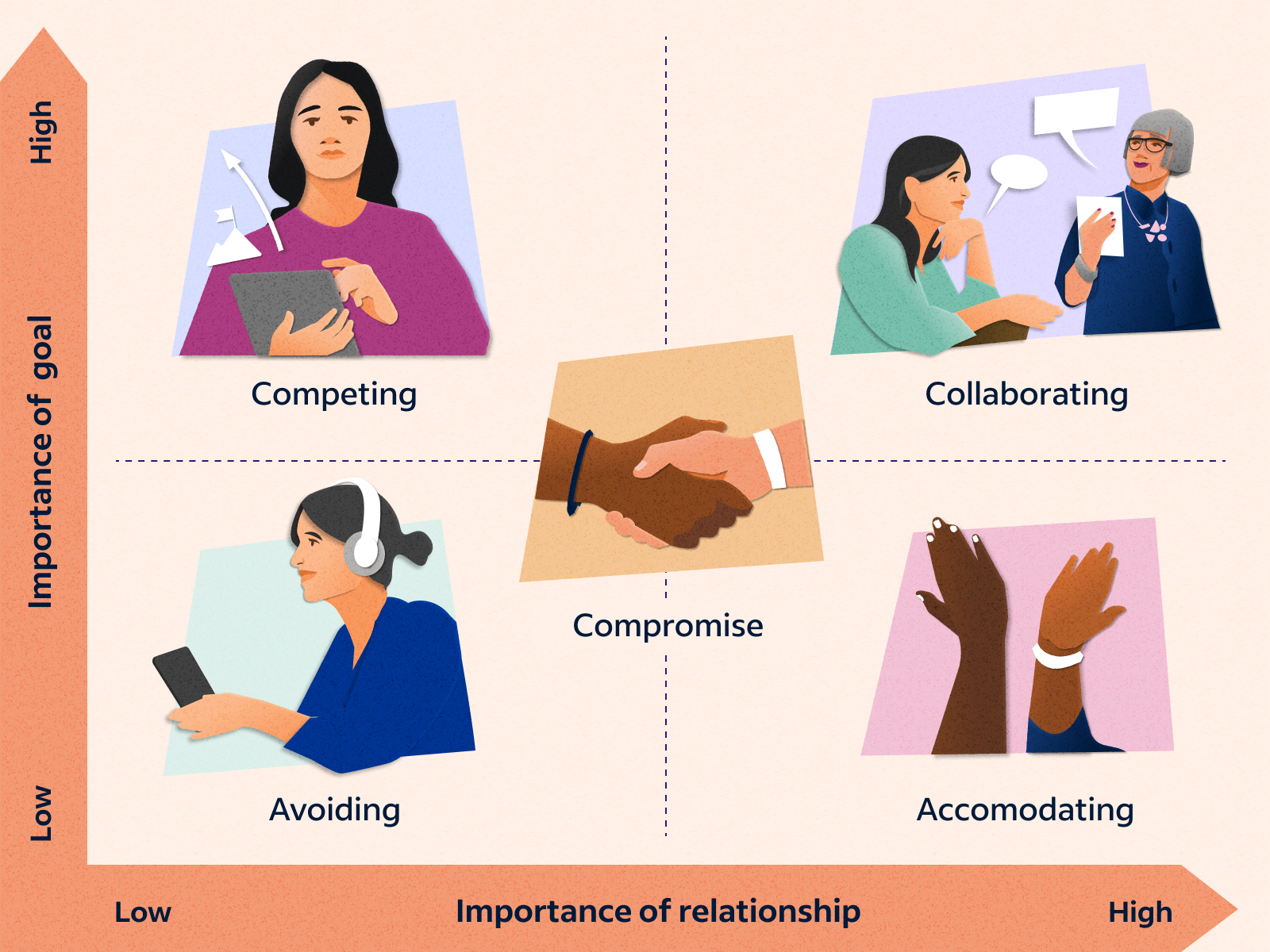
Numerous strategies can facilitate conflict resolution. Negotiation involves finding common ground and making compromises. This requires flexibility and a willingness to consider alternative solutions. Mediation, involving a neutral third party, can be particularly helpful in complex or highly emotional disputes. The mediator helps facilitate communication, identifies common ground, and guides the parties towards a mutually acceptable agreement.

Choosing the Right Approach

The best approach to conflict resolution depends on the nature of the conflict and the relationship between the involved parties. For minor disagreements, a simple conversation might suffice. However, more complex or deeply rooted conflicts may require more structured approaches, such as mediation or even professional counseling. Don't hesitate to seek help from a neutral third party if you're struggling to find a solution on your own.

Maintaining a Positive Relationship After Conflict

Even after resolving a conflict, it's crucial to focus on maintaining a positive relationship. Acknowledge the effort made by both parties to reach a resolution. Express appreciation for their willingness to work through the disagreement. Reiterate your commitment to the relationship and your desire to move forward. If necessary, agree on specific steps to prevent similar conflicts in the future. This proactive approach helps build resilience and strengthen the bond.

Preventing Future Conflicts

To minimize future conflicts, consider establishing clear communication channels, regularly discussing expectations, and proactively addressing minor issues before they escalate. Cultivating empathy and understanding within the relationship creates a foundation for navigating disagreements more effectively in the future. Remember, conflict is a normal part of life; it's how we handle it that truly matters.

How to Stop Comparing Yourself to Others: Building Self-Esteem

How to Stop Comparing Yourself to Others: Building Self-Esteem

How to Stop Comparing Yourself to Others: Building Self-Esteem

In today's hyper-connected world, bombarded by curated online personas and seemingly effortless achievements, comparing yourself to others feels almost unavoidable. This constant comparison erodes self-esteem, leaving you feeling inadequate and anxious. But what if you could break free from this cycle and cultivate genuine self-worth? This article provides actionable strategies to help you silence the inner critic, embrace your unique journey, and build unshakeable self-esteem.

Understanding the Roots of Comparison

Comparison stems from a deep-seated need for validation and belonging. We subconsciously seek external affirmation to measure our self-worth. Social media amplifies this tendency, presenting a distorted reality of others' lives, focusing on highlights and rarely showcasing struggles. Remember, what you see online is often a carefully crafted facade, not the complete picture. Understanding this crucial distinction is the first step towards breaking free from the comparison trap. Recognize that your worth isn't determined by external validation but by your inner values, strengths, and unique contributions to the world.

Practical Strategies to Curb Comparison

Cultivate Self-Compassion

Treat yourself with the same kindness and understanding you would offer a friend struggling with similar challenges. Acknowledge your imperfections; they are part of what makes you human and unique. Replace self-criticism with self-encouragement. Instead of focusing on shortcomings, celebrate small victories and acknowledge your progress, no matter how incremental.

Focus on Your Own Journey

Everyone travels a different path. Comparing your chapter one to someone else's chapter ten is inherently unfair and unproductive. Focus on your own goals, celebrate your personal milestones, and find satisfaction in your own progress. Remember, success is not a destination, but a journey filled with learning, growth, and self-discovery. Embrace the process, and find joy in the continuous improvement.

Limit Exposure to Triggers

Take control of your social media consumption. Unfollow accounts that trigger feelings of inadequacy. Actively curate your online experience to foster positivity and inspiration, rather than fueling comparison. Consider taking breaks from social media altogether to allow yourself space for self-reflection and genuine connection with the physical world.

Practice Gratitude

Shift your focus from what you lack to what you possess. Regularly reflect on your blessings, both big and small. Keeping a gratitude journal can significantly boost your mood and foster a sense of appreciation for your life, making you less likely to dwell on what others have.

Identify Your Strengths and Values

Spend time reflecting on your unique talents, skills, and values. What are you passionate about? What are you good at? What principles guide your life? Focusing on your strengths and values helps you build a strong sense of self and reduces the need for external validation. By understanding your core identity, you'll become less susceptible to comparing yourself to others.

Building a Foundation of Self-Esteem

Building self-esteem is an ongoing process, not a destination. It requires consistent effort and self-awareness. Incorporate these practices into your daily routine to cultivate a stronger sense of self-worth:

  • Engage in self-care activities: Prioritize your physical and mental health through exercise, healthy eating, sufficient sleep, and stress-management techniques.
  • Set realistic goals: Break down large goals into smaller, manageable steps. Celebrating each accomplishment boosts confidence and reinforces a sense of progress.
  • Seek support: Connect with supportive friends, family, or a therapist. Sharing your struggles and celebrating your successes with others can greatly enhance your well-being.
  • Practice self-affirmations: Regularly repeat positive statements about yourself to reprogram your subconscious mind and challenge negative self-talk.

Ultimately, building self-esteem is about embracing your authentic self and recognizing your inherent worth. By actively challenging the habit of comparison and focusing on personal growth, you can cultivate a stronger sense of self and live a more fulfilling life.

From Breakup to Breakthrough: Getting Him Back

From Breakup to Breakthrough: Getting Him Back

From Breakup to Breakthrough: Getting Him Back (But Only If You *Really* Want Him)

Okay, so you’re here. You've gone through the breakup, the tears (maybe a few tubs of ice cream), and the endless scrolling through your phone looking at his pictures. You want him back. And that’s okay. Before we dive in, let’s be brutally honest: getting someone back isn't always the best outcome. Sometimes, a breakup is the universe's way of gently nudging you towards something better. But if you've genuinely reflected and you're sure you want to try and rekindle things, then let's explore how to do it thoughtfully and respectfully.

Understanding the Why: What Went Wrong?

This isn't about blaming yourself or him. It’s about understanding the dynamics that led to the breakup. Seriously, grab a journal and a pen (or open a note on your phone). Write it all down. Don't sugarcoat anything. Were there communication problems? Did you have differing life goals? Did trust issues arise? Knowing the root causes is crucial to fixing them. If you can’t honestly identify the issues, you risk repeating the same mistakes.

Common Breakup Culprits:

  • Lack of Communication: Were you both expressing your needs and feelings openly and honestly?
  • Differing Life Goals: Were your long-term visions compatible, or were you heading in different directions?
  • Trust Issues: Did betrayal or a lack of trust play a role in the breakup?
  • Personality Conflicts: Were your personalities fundamentally incompatible, leading to constant friction?
  • External Pressures: Did external factors like family or friends influence the relationship negatively?

Once you understand the "why," you can start building a plan to address those issues. This isn't about magically changing who you are, but about identifying areas for growth and improvement within yourself and the relationship.

The No-Contact Rule (and Why It's So Important)

This is probably the hardest part, but also one of the most effective. The no-contact rule means absolutely no contact whatsoever. No texts, no calls, no social media stalking (yes, I see you!), nothing. Give yourself and him space to breathe, process the breakup, and miss each other (hopefully!). The length of no-contact varies, but a minimum of 30 days is usually recommended. This time allows you to work on yourself and gives him time to miss your presence.

What to Do During No-Contact:

  • Focus on Self-Improvement: This is your time to shine! Hit the gym, take up a new hobby, spend time with loved ones, and work on your personal growth.
  • Reflect on Your Role in the Breakup: Be honest with yourself. What could you have done differently? What are you willing to change to make things work this time (if he's willing)?
  • Reconnect with Yourself: Rediscover your passions and interests. Remember who you are outside of the relationship.
  • Build Your Confidence: You deserve to feel good about yourself, regardless of your relationship status. Focus on self-love and self-care.

The Re-Approach: Walking the Tightrope

After the no-contact period, the re-approach is crucial. This isn't about begging or pleading. It's about demonstrating the changes you've made and showing him a better, healthier version of yourself. A casual, friendly message is a good starting point. Don't overwhelm him with emotions. Keep it light and brief. Maybe ask about something he's passionate about.

Things to Avoid During the Re-Approach:

  • Apologizing excessively: Take responsibility for your part, but don't dwell on it.
  • Bringing up the past: Focus on the present and the future.
  • Being clingy or needy: Give him space and respect his boundaries.
  • Playing games or manipulation: Be genuine and authentic.

If he responds positively, great! Take things slowly. Don't rush into anything. Give him time to see the changes you've made and to feel comfortable again. If he doesn't respond or seems hesitant, respect his decision. It doesn't mean you failed; it simply means it wasn't meant to be.

Rebuilding Trust and Strengthening the Bond

If you're lucky enough to reconnect, rebuilding trust is paramount. This is a marathon, not a sprint. Be consistent with your actions and words. Be reliable and supportive. Open and honest communication is essential. Actively listen to his concerns, and be willing to compromise. Show him you’re committed to making the relationship work, this time even better.

Tips for Rebuilding Trust:

  • Be transparent and honest: Don't hide anything.
  • Follow through on your commitments: Be reliable and dependable.
  • Actively listen to his concerns: Show empathy and understanding.
  • Give him space when he needs it: Respect his boundaries.
  • Be patient and understanding: Rebuilding trust takes time.

Remember, rebuilding a relationship after a breakup requires effort, patience, and a willingness to grow. There's no magic formula, but by focusing on self-improvement, open communication, and respecting boundaries, you'll significantly increase your chances of success (if that's what you truly want).

Frequently Asked Questions

Q: How long should I wait before contacting him after the breakup?

A: At least 30 days is generally recommended. This gives both of you time to process the breakup and gain some perspective.

Q: What if he doesn't respond to my message?

A: Respect his decision. It doesn't mean you've failed; it just means this path isn't meant to be. Focus on your own well-being and moving forward.

Q: What if he says he's moved on?

A: Accept his decision. It can be painful, but it's important to respect his feelings and move on with your life. Focus on your own happiness.

Q: Should I apologize for everything?

A: Take responsibility for your part in the issues, but don't beat yourself up. A genuine apology can be helpful, but it shouldn't be a laundry list of your shortcomings.

Q: Is it possible to get back together and have a healthier relationship?

A: Yes, absolutely. But it takes effort, communication, and a willingness to change from both individuals. If you're both committed to making it work, and you've addressed the underlying issues, you can build a stronger and more fulfilling relationship.

Remember, ultimately, the decision of whether or not to try and get back together is yours alone. Prioritize your happiness and well-being above all else.

Is It Love or Habit? Understanding Your Motivation for Reuniting

Is It Love or Habit? Understanding Your Motivation for Reuniting

Is It Love or Habit? Understanding Your Motivation for Reuniting

The sting of a breakup can linger long after the tears dry. Months, even years later, the idea of reuniting with an ex can creep into your thoughts, sparking a whirlwind of emotions. But before you reach out, take a moment for honest self-reflection. Is this a genuine yearning for rekindled love, or are you simply succumbing to the comfortable pull of habit?

Unpacking the Nostalgia: Identifying the Root Cause

The initial allure of reuniting often stems from a potent cocktail of nostalgia and familiarity. We tend to romanticize the past, selectively remembering the good times while conveniently forgetting the difficulties. This rose-tinted lens obscures the realities of the relationship, making the past seem far more appealing than the present. You might find yourself reminiscing about shared laughter, inside jokes, and a sense of comfort that felt unique to that relationship. However, this comfort doesn't automatically translate to a healthy, sustainable love.

Recognizing the Signs of Habitual Attachment

Habit plays a surprisingly significant role in our relationships. Shared routines, from weekly movie nights to morning coffees, become deeply ingrained patterns. Breaking these patterns can feel unsettling, leading to a desire to reinstate them, even if the relationship itself was dysfunctional. Ask yourself these crucial questions:

  • Do you miss the routine more than the person?
  • Are you afraid of being alone or starting over?
  • Do you feel a sense of emptiness and believe this person will fill the void?
  • Are you primarily motivated by fear of loneliness rather than genuine love?

If the answers lean heavily towards habit and fear, it's a strong indicator that your desire to reunite isn't rooted in love.

The Difference Between Love and Habit: A Deeper Dive

Love involves genuine affection, respect, and a desire for mutual growth. It's about actively choosing to invest in someone's well-being, even when it's challenging. It's a conscious decision to nurture the relationship, addressing conflicts constructively and striving for continuous improvement. It thrives on open communication, shared values, and mutual admiration.

Habit, on the other hand, is a passive behavior. It's a comfortable pattern fueled by familiarity and a fear of change. While it can provide a sense of security, it often lacks the passion, excitement, and continuous effort required for a thriving, romantic relationship. It's a reliance on the known, rather than an active pursuit of a healthy, evolving connection.

Moving Forward: Making an Informed Decision

Before contacting your ex, thoroughly analyze your feelings. Write down the reasons you want to reunite, objectively assessing whether they stem from genuine love or a yearning for the familiarity of habit. Consider seeking professional guidance from a therapist or counselor; they can provide a neutral perspective and help you navigate these complex emotions. Remember, choosing to reunite based on habit might ultimately lead to disappointment and further heartache. Prioritize your well-being and make a decision that aligns with your long-term happiness and growth.

Friday, November 22, 2024

How to Stay Positive During the Reconciliation Process

How to Stay Positive During the Reconciliation Process

Maintaining Positivity Throughout the Reconciliation Process

Reconciliation, whether in a personal relationship or a professional setting, is a challenging endeavor that demands significant emotional resilience. The process often involves confronting difficult emotions, addressing past hurts, and navigating complex communication dynamics. Maintaining a positive outlook during this period is crucial for a successful outcome. However, achieving positivity requires a conscious effort and strategic approach, employing specific techniques and mindset shifts.

Understanding the Emotional Landscape of Reconciliation

Before delving into strategies for maintaining positivity, it’s essential to acknowledge the emotional rollercoaster inherent in reconciliation. Feelings of hope and despair, anger and vulnerability, and optimism and doubt are all likely to surface. Understanding these emotions as normal and even necessary parts of the process allows for greater self-compassion and reduces the likelihood of becoming overwhelmed.

Acknowledging the Complexity of Emotions

The emotional turbulence experienced during reconciliation is not a sign of weakness or failure, but rather a testament to the depth of the issues being addressed. Allowing oneself to feel the full spectrum of emotions, without judgment, is a crucial first step towards processing them effectively. Suppressing emotions only prolongs the healing process and can hinder the overall success of the reconciliation.

Self-Compassion as a Foundation

Self-compassion is vital during reconciliation. Treat yourself with the same kindness and understanding that you would offer a close friend navigating similar challenges. Recognize that setbacks are inevitable, and that progress is rarely linear. Celebrate small victories and acknowledge the effort you're putting into the process.

Strategies for Cultivating Positivity

While emotional acceptance is foundational, actively cultivating positivity through specific strategies is equally crucial. These strategies should be approached as tools to bolster resilience and foster a more constructive mindset.

Focusing on Personal Growth

Reconciliation often presents an opportunity for significant personal growth. Frame the process as a chance for self-reflection and improvement. Identify areas where you can enhance your communication skills, emotional intelligence, or conflict-resolution abilities. Consider seeking professional guidance through therapy or counseling to gain valuable insights and develop coping mechanisms.

Practicing Gratitude

Regularly practicing gratitude shifts the focus from perceived shortcomings or past grievances to the positive aspects of one's life. Keep a gratitude journal, focusing on things you are thankful for, both large and small. This could include appreciating your own strengths, recognizing support from others, or acknowledging the progress made in the reconciliation process itself.

Mindfulness and Meditation

Mindfulness practices, such as meditation or deep breathing exercises, can help regulate emotions and promote a sense of calm amidst the stress of reconciliation. These practices encourage present-moment awareness, reducing the tendency to dwell on past hurts or anxieties about the future. Regular engagement with mindfulness can significantly enhance emotional resilience.

Seeking Support Networks

Surround yourself with a supportive network of friends, family, or a therapist. Sharing your experiences and feelings with trusted individuals can provide valuable emotional support and perspective. These individuals can offer encouragement, practical advice, and a safe space to process challenging emotions. Remember, you are not alone in this journey.

Maintaining Realistic Expectations

It's crucial to avoid unrealistic expectations regarding the speed and ease of reconciliation. The process is often protracted and may involve setbacks and disappointments. Maintaining a realistic perspective prevents undue frustration and disappointment.

Understanding the Stages of Reconciliation

Reconciliation is rarely a linear process. It often involves several stages, including initial contact, negotiation, forgiveness, and reintegration. Understanding these stages and anticipating potential challenges can help manage expectations and prevent disillusionment.

Accepting Imperfection

Striving for perfection is counterproductive during reconciliation. Accept that mistakes will be made and that the process will be imperfect. Focus on learning from these mistakes and making progress, rather than aiming for an unattainable ideal.

Celebrating Small Victories

Acknowledge and celebrate even small victories along the way. These achievements can provide a much-needed boost to morale and reinforce the feeling that progress is being made. Focusing on positive incremental steps helps maintain motivation and prevent feelings of stagnation.

Strategies for Positive Communication

Effective communication is paramount to successful reconciliation. Adopting specific communication strategies can foster understanding, empathy, and progress.

Active Listening

Practice active listening, focusing on truly understanding the other person's perspective, rather than formulating your response. Show empathy and validate their feelings, even if you don't necessarily agree with them. This fosters trust and encourages open communication.

Empathetic Communication

Strive to communicate with empathy, considering the other person's feelings and perspectives. Use "I" statements to express your own feelings without blaming or accusing. This promotes a collaborative and constructive dialogue.

Avoiding Blame and Accusations

Avoid using accusatory or blaming language. Focus on expressing your own feelings and needs constructively, without placing blame on the other person. This fosters a more receptive environment for productive dialogue.

Seeking Professional Mediation

If communication becomes particularly challenging, consider seeking professional mediation. A neutral third party can facilitate constructive dialogue and guide the process towards a positive resolution. This can be particularly helpful in complex or emotionally charged situations.

Conclusion

Maintaining a positive outlook during the reconciliation process is a challenging but achievable goal. By employing the strategies outlined above â€" fostering self-compassion, practicing gratitude, cultivating mindfulness, maintaining realistic expectations, and engaging in positive communication â€" individuals can significantly enhance their resilience and increase their chances of achieving a successful and meaningful reconciliation. Remember, the journey may be arduous, but the potential rewards of restored relationships and personal growth are substantial.

It's important to note that seeking professional help from a therapist or counselor can be invaluable during this challenging time. They provide a safe and supportive environment to process emotions, develop coping mechanisms, and gain guidance in navigating the complexities of reconciliation.

Simple Ways to Win Her Back Without Losing Self-Respect

Simple Ways to Win Her Back Without Losing Self-Respect

Simple Ways to Win Her Back Without Losing Self-Respect

Heartbreak hurts. The sting of a broken relationship can leave you feeling lost and desperate. Winning back your ex might seem like the only solution, but doing so while maintaining your self-worth requires a delicate balance. This article offers practical steps to navigate this challenging situation, focusing on reclaiming your happiness and respect, regardless of the outcome.

Understanding the Situation: Taking a Step Back

Before diving into any reconciliation attempts, prioritize self-reflection. Analyze the relationship's demise. What contributed to the breakup? Were there unresolved conflicts? Identifying the root causes empowers you to address them constructively, rather than repeating past mistakes. Avoid blaming solely yourself or your ex; focus on identifying patterns and behaviors that negatively impacted the relationship. This honest assessment forms the foundation of a healthier, more respectful approach to reconciliation.

Honest Self-Assessment

Ask yourself some tough questions: Did you neglect her needs? Did communication break down? Were there fundamental incompatibilities? Understanding your role in the relationship's failure is crucial for personal growth and building a better future, whether with her or someone else. Don't shy away from uncomfortable truths. Facing them head-on is a sign of strength, not weakness.

Reclaiming Your Independence: Focusing on Yourself

Winning her back shouldn't involve desperate pleas or compromising your self-respect. Instead, focus on personal growth and self-improvement. This is not about manipulation; it's about becoming the best version of yourself. Engage in activities that bring you joy and fulfillment, whether it's pursuing a hobby, reconnecting with friends, or working towards a personal goal. This demonstrates self-love and independence, qualities that are inherently attractive.

Prioritizing Self-Care

Self-care is not selfish; it's essential. Prioritize your physical and mental well-being. Exercise regularly, eat healthy foods, get enough sleep, and engage in activities that help you manage stress. A healthier you is a happier you, and a happier you is more likely to attract positive relationships.

Initiating Contact: Respectful Communication

If you decide to reach out, do so with respect and maturity. Avoid begging or pleading. A simple, sincere message acknowledging your feelings and expressing a desire to understand her perspective can be a good starting point. Focus on open communication, active listening, and a willingness to understand her point of view, even if you don't agree with it. Remember, the goal isn't necessarily to win her back immediately, but to establish healthy communication.

Respect Her Response

Crucially, respect her response, whatever it may be. If she isn't interested in reconciliation, accept her decision gracefully. Don't pressure her, and certainly don't resort to manipulation or anger. Maintain your dignity and respect for her boundaries. This is a testament to your maturity and self-respect.

Moving Forward: Accepting the Outcome

Whether or not you win her back, remember that your self-worth is not dependent on another person's validation. Focus on your personal growth and happiness. If reconciliation happens, it should be built on mutual respect, understanding, and a commitment to a healthier relationship. If it doesn't, remember that you are capable of finding love and happiness again. The journey of self-discovery and healing is valuable, regardless of the romantic outcome.

Learning from the Experience

Regardless of the outcome, view this experience as an opportunity for growth. Learn from your mistakes, and apply those lessons to future relationships. Remember, healthy relationships are built on mutual respect, open communication, and a willingness to work together. Your self-respect is paramount; never compromise it for anyone.

How to Keep the Romance Alive in Everyday Life

How to Keep the Romance Alive in Everyday Life

Keeping the Spark Alive: Romance in the Everyday

So, you've been together for a while, maybe even a long while. The whirlwind romance of the early days might feel like a distant memory, replaced by the comforting rhythm of everyday life. Don't worry, it happens to the best of us! The good news is, keeping the romance alive isn't about grand gestures (though those are fun!), it's about weaving little moments of connection into the fabric of your daily routine. Think of it as tending a garden â€" it takes consistent effort, but the rewards are beautiful and bountiful.

Nurturing the Little Things

The key to lasting romance lies in the small, everyday acts of love. It’s not about expensive gifts or extravagant dates (though those have their place!), but the consistent effort to show your partner you care. These small gestures speak volumes and build a strong foundation for a thriving relationship.

The Power of a Simple Gesture

Think about it: a quick text message saying "thinking of you," a surprise cup of coffee brought to bed, a hand squeeze during a stressful moment. These small acts communicate affection and appreciation in a way that grand gestures sometimes can’t. They show that you pay attention to your partner's needs and are present in their life, even amidst the chaos of daily tasks.

Making Time for Connection

In the hustle and bustle of daily life, it's easy to let quality time slip away. But carving out even 15-20 minutes a day to truly connect with your partner can make a world of difference. Put away your phones, turn off the TV, and just talk. Ask about their day, listen actively, and share your own thoughts and feelings.

Rediscovering Romance Through Shared Experiences

Beyond the small gestures, shared experiences are crucial for keeping the romance alive. It's about creating memories together and reinforcing your bond as a couple.

Spontaneity is Key

Planned dates are lovely, but spontaneous adventures can be even more exciting. Think of a surprise picnic in the park, a last-minute trip to a nearby town, or even a spontaneous dance in the kitchen. These unexpected moments add an element of fun and excitement to your relationship, reminding you of the playful energy you might have enjoyed in the early days.

Revisit Your "Early Days"

Think back to the beginning of your relationship. What did you enjoy doing together? Did you go for long walks, have movie marathons, or cook together? Reintroducing these activities into your routine can reignite those initial sparks and bring back happy memories.

Embrace New Adventures

Trying new things together can also be incredibly rewarding. Sign up for a dance class, take a cooking course, or plan a weekend getaway to a place you've always wanted to visit. Shared experiences create lasting memories and strengthen your bond.

Communication: The Cornerstone of Romance

Open and honest communication is the foundation of any healthy relationship, and it's especially important for keeping the romance alive. It's not just about talking; it's about truly listening and understanding each other's needs and desires.

Active Listening is Crucial

When your partner is talking, put down your phone, make eye contact, and truly listen. Don't interrupt, and ask clarifying questions to show that you're engaged in the conversation. This demonstrates respect and shows that you value their thoughts and feelings.

Express Appreciation and Affection

Don't be shy about expressing your love and appreciation. Tell your partner how much you care, compliment them, and let them know how much you appreciate their presence in your life. These words can go a long way in strengthening your bond.

Schedule Regular "Check-Ins"

Set aside some time each week, even if it's just for 15 minutes, to check in with each other. Discuss how you're both feeling, what's working well in your relationship, and any areas where you could improve.

Prioritizing Self-Care: A Key Ingredient

Believe it or not, taking care of yourself is essential for maintaining a healthy and romantic relationship. When you're feeling good about yourself, you're better equipped to nurture the romance in your relationship.

Maintain Your Hobbies and Interests

Don't let your relationship consume your entire life. Maintain your hobbies and interests, and make time for activities that you enjoy individually. This will help you stay balanced and bring a sense of fulfillment to your life, making you a more engaging and interesting partner.

Prioritize Physical and Mental Well-being

Exercise, eat healthy, get enough sleep, and engage in activities that help you manage stress. When you take care of your physical and mental well-being, you're better equipped to nurture your relationship and experience its joys more fully.

Embracing the Unexpected

Life throws curveballs. Challenges and difficulties are inevitable in any relationship. The key is to navigate these challenges together, supporting each other and working through them as a team. Remember that overcoming challenges together can actually strengthen your bond and deepen your love.

Remember the Why

Sometimes, amidst the daily grind, we forget why we fell in love in the first place. Take time to reflect on your relationship's history, the qualities you admire in your partner, and the reasons why you chose to be together. Remembering the initial spark can reignite the flame and help you appreciate the present moment.

Commonly Asked Questions

Q: My partner and I are both incredibly busy. How can we make time for romance?

A: Even small pockets of time can be incredibly romantic! Try having breakfast together before work, taking a short walk during your lunch break, or snuggling up on the couch for 15 minutes before bed. Consistency is key, not necessarily length.

Q: We've fallen into a routine. How can we break out of it?

A: Plan a surprise date, try a new restaurant, or explore a new hobby together. The key is to be intentional about stepping outside of your comfort zone and trying something different.

Q: My partner doesn't seem interested in romance anymore. What can I do?

A: Open and honest communication is crucial. Have a calm conversation about your feelings and see if you can identify any underlying issues. Consider couples counseling if you're struggling to communicate effectively.

Q: Is it normal for romance to fade over time?

A: It's perfectly normal for the intensity of the initial romance to diminish over time. However, that doesn't mean the love is gone. Maintaining romance requires consistent effort and intentionality, but it's definitely achievable.

Q: What if we have drastically different ideas about romance?

A: Communication is key here too! Talk about your different expectations and find ways to compromise. Maybe you can incorporate some of each other's preferred romantic gestures into your routine.

How to Get Over Your Ex and Focus on Your Future

How to Get Over Your Ex and Focus on Your Future

Reclaim Your Heart and Future: Moving On From Your Ex

Heartbreak. It's a universal experience, a gut-wrenching cocktail of grief, anger, confusion, and maybe even a touch of relief. Ending a relationship, regardless of who initiated it, leaves a void. It disrupts routines, challenges your sense of self, and throws your future plans into disarray. But the good news is, you can move on. You can heal, rebuild, and create a brighter future for yourself. This isn't about forgetting; it's about actively choosing to prioritize your well-being and build a life that thrives without your ex.

Acknowledge and Process Your Emotions

Don't suppress your feelings. Allow yourself to grieve the loss. Cry, scream into a pillow, write in a journal â€" whatever healthy outlet helps you process the pain. Denial prolongs the healing process. Embrace the full spectrum of your emotions. Anger, sadness, confusion â€" they're all valid responses to a significant loss. Bottling them up only intensifies their hold on you. Consider talking to a therapist or counselor; they provide a safe space to explore your feelings and develop coping mechanisms. They can equip you with the tools you need to navigate this challenging time effectively.

Practice Self-Compassion

Treat yourself with the same kindness and understanding you'd offer a friend going through a breakup. Avoid self-blame and harsh self-criticism. Remember that breakups are rarely one-sided; they involve complexities and contributions from both individuals. Focus on self-care, prioritizing activities that bring you joy and comfort. This could involve anything from taking a long bath to indulging in a favorite hobby.

Reclaim Your Identity and Independence

Relationships often intertwine our identities. After a breakup, it's crucial to rediscover who you are outside the context of the relationship. What are your passions? What are your goals? Now is the time to nurture those aspects of yourself that may have taken a backseat during the relationship. Re-engage in hobbies you abandoned, explore new interests, and reconnect with friends you may have neglected.

Focus on Self-Improvement

Use this time for personal growth. Set goals â€" both big and small. Perhaps you've always wanted to learn a new language, take a cooking class, or travel to a new country. Achieving these goals will boost your self-esteem and confidence, proving to yourself that you are capable and resilient. This self-improvement journey isn’t just about ticking boxes; it’s about demonstrating self-love and reinvesting in yourself.

Rebuild Your Support System and Create New Connections

Lean on your support system. Talk to trusted friends and family members. Share your feelings and allow them to offer comfort and support. If you feel isolated, actively seek out social interaction. Join a club, volunteer, or attend social events. Making new connections can help you expand your social circle and create a sense of belonging, lessening the reliance on your former relationship for fulfillment.

Set Healthy Boundaries

Maintaining contact with your ex can hinder your healing process. Establish clear boundaries to protect your emotional well-being. This may involve unfollowing them on social media, limiting communication, or completely cutting contact, depending on the circumstances. Prioritize your mental health and create space for yourself to heal.

Focus on Your Future

Once you've processed your emotions and rebuilt your sense of self, it's time to focus on the future. Set realistic goals, both short-term and long-term. Consider your career aspirations, personal goals, and dreams for the future. Create a plan to achieve these goals, breaking them down into manageable steps. Visualize your ideal future and actively work towards it. This proactive approach will shift your focus from the past to the exciting possibilities that lie ahead.

Celebrate Your Progress

Acknowledge and celebrate your progress along the way. Every step you take towards healing and building a new life is a victory. Reward yourself for your achievements, no matter how small. This positive reinforcement will motivate you to continue moving forward and building the future you deserve.

Breaking up is hard, but it's also an opportunity for growth, self-discovery, and building a life that truly reflects your values and desires. Embrace this journey, celebrate your resilience, and create the future you've always envisioned.

Thursday, November 21, 2024

Winning Him Back: A Guide to Reconciliation

Winning Him Back: A Guide to Reconciliation

Winning Him Back: A Guide to Reconciliation

The dissolution of a romantic relationship is often a painful and disorienting experience. While some separations are amicable and mutually agreed upon, others leave one partner yearning for reconciliation. This guide offers a structured approach to navigating the complex process of winning back a former partner, focusing on self-reflection, strategic communication, and realistic expectations. It is crucial to understand that this process is not guaranteed to succeed, and acceptance of the outcome is paramount.

I. Self-Reflection and Understanding the Breakup

Before embarking on any attempt at reconciliation, a thorough and honest self-assessment is vital. This process involves confronting uncomfortable truths about your role in the relationship's demise and identifying areas for personal growth.

A. Identifying Your Role in the Breakup

Honesty is the cornerstone of this stage. Did you contribute to the relationship's problems? Were there patterns of behavior that negatively impacted your partner? Common contributing factors include:

  • Poor Communication: Did you effectively express your needs and feelings? Did you listen attentively to your partner's concerns?
  • Lack of Trust: Did you engage in behaviors that breached your partner's trust? Were you consistently honest and transparent?
  • Unrealistic Expectations: Did you impose unrealistic demands or expectations on your partner?
  • Personal Issues: Were unresolved personal issues impacting your relationship? This might include insecurity, anger management difficulties, or addiction.
  • Lack of Effort: Were you consistently putting in the necessary effort to maintain a healthy and thriving relationship?

Addressing these issues honestly, without assigning blame, is crucial for personal growth and demonstrating genuine remorse.

B. Understanding Your Partner's Perspective

Attempting to understand your partner's perspective is equally critical. While you may have your own interpretation of events, it's essential to acknowledge their feelings and reasons for the breakup. Avoid focusing solely on your own feelings; prioritize empathy and attempt to see the situation from their viewpoint. Consider:

  • What were their specific complaints about the relationship?
  • What unmet needs did they have?
  • What were their reasons for wanting to end the relationship?

This understanding is not about justifying their actions, but about gaining insight into their perspective, which can inform your approach to reconciliation.

II. Strategic Communication and Demonstrating Change

Once you've completed a thorough self-reflection, the next step involves strategic communication. This is not about pressuring your partner or begging them to return. Instead, it's about demonstrating genuine remorse, highlighting your personal growth, and creating an environment conducive to rebuilding trust.

A. The Initial Contact

The initial contact should be respectful and low-key. Avoid overwhelming your partner with lengthy messages or emotional outbursts. A simple, sincere message acknowledging your understanding of their feelings and expressing your desire to discuss the situation calmly can be effective. Respect their boundaries if they initially decline communication.

B. Active Listening and Empathy

During any conversations, focus on active listening. Let your partner express their feelings without interruption. Show genuine empathy, even when hearing criticisms about your past behavior. Validate their emotions, letting them know you understand their perspective.

C. Demonstrating Change

Actions speak louder than words. Demonstrating tangible changes in your behavior is crucial. If communication was a problem, actively work on improving your communication skills. If trust was broken, actively rebuild trust through consistent honesty and reliable behavior. This might include therapy, attending support groups, or taking other self-improvement steps.

D. Managing Expectations

It's important to manage expectations throughout this process. Reconciliation is not a quick fix; it requires time, effort, and patience. There might be setbacks and periods of frustration. Maintaining realistic expectations and allowing your partner the space to process their emotions is crucial.

III. Seeking Professional Help

Navigating the complexities of a breakup and attempting reconciliation can be emotionally draining. Seeking professional help from a therapist or counselor can provide valuable support and guidance. A therapist can offer:

  • Objective Perspective: An unbiased viewpoint on the relationship dynamics and your role in the breakup.
  • Communication Skills: Strategies for effective communication and conflict resolution.
  • Emotional Support: Guidance in managing your emotions throughout the process.
  • Personal Growth: Tools and techniques for personal growth and self-improvement.

Couples counseling may also be beneficial if both partners are willing to participate. This approach offers a structured environment for addressing underlying issues and rebuilding the relationship from a foundation of mutual understanding and respect.

IV. Acceptance of the Outcome

Finally, it's crucial to accept the possibility that reconciliation might not be achievable. Even with sincere effort and significant personal growth, your partner may not be willing or ready to rekindle the relationship. Accepting this outcome is a testament to your emotional maturity and self-respect. Focus on your own well-being and personal growth, regardless of the outcome.

Winning back a former partner requires significant self-reflection, strategic communication, and a commitment to personal growth. While there's no guarantee of success, approaching the process with honesty, empathy, and realistic expectations can increase the chances of a positive outcome. Remember, your well-being is paramount throughout this process, and seeking professional support is a sign of strength, not weakness.

A Step-by-Step Guide to Getting Back with an Ex

A Step-by-Step Guide to Getting Back with an Ex

Rekindling the Flame: A Step-by-Step Guide to Getting Back with Your Ex

The sting of a breakup can linger, leaving you yearning for a second chance with your former partner. While there's no guaranteed formula for reconciliation, a thoughtful and respectful approach can significantly increase your odds. This guide provides a structured path, emphasizing self-reflection and genuine communication to navigate this delicate situation.

Step 1: Introspection and Self-Improvement

Before reaching out, engage in serious self-reflection. Honest self-assessment is crucial. Why did the relationship end? What role did you play in the breakup? Identifying your shortcomings and actively working on them demonstrates maturity and a genuine desire for change. This isn't about becoming someone you're not; it's about addressing the issues that contributed to the relationship's demise. Did you neglect their needs? Were you too controlling? Pinpointing these areas allows you to work on becoming a better partner, making a future reconciliation more sustainable. This period of self-improvement shouldn’t be seen as a chore, but as an opportunity for personal growth, making you a stronger and more well-rounded individual, regardless of whether you get back together with your ex.

Focusing on Personal Growth

This involves more than simply acknowledging your flaws. Actively work on them. If communication was a problem, consider taking a communication skills course or actively practicing better listening skills with friends and family. If trust was broken, rebuild it by being consistently reliable and honest in your interactions with others. These actions speak louder than words when you eventually reach out to your ex.

Step 2: The No-Contact Period

After your self-reflection, implement a strict no-contact period. This isn't about playing games; it's about giving both of you space to heal and process the breakup. This period allows your ex to miss you and provides you with time to demonstrate that you've genuinely changed. The length of this period varies depending on the relationship's length and the severity of the breakup. A minimum of 30 days is generally recommended, but some situations may warrant longer. During this time, focus on your own well-being; pursue hobbies, spend time with loved ones, and nurture your personal growth.

Step 3: The Reapproach

Once the no-contact period has concluded, initiate contact cautiously. Avoid bombarding your ex with messages. A simple, well-thought-out message expressing your desire to reconnect, focusing on a neutral topic, is ideal. Perhaps mention something you've been doing that relates to your personal growth. For example, "Hi [Ex's Name], I hope you're doing well. I've been focusing on [hobby/personal improvement] lately and it's helped me a lot. I was wondering if you'd be open to grabbing coffee sometime just to catch up?" Keep it brief, friendly, and non-demanding. Respect their response, whether positive or negative.

Choosing the Right Time and Place

Consider your ex's personality and preferences when choosing how and when to reach out. A casual encounter might work better for some than a formal dinner date. Remember, the goal is to reconnect, not to pressure them into a relationship. Be prepared for any outcome â€" a potential reunion is only one possibility.

Step 4: Honest and Open Communication

If your ex agrees to meet, engage in open and honest communication. Acknowledge your past mistakes without making excuses. Express your genuine remorse and your commitment to personal growth. Listen attentively to their perspective, validating their feelings even if you don't agree with them. This shows respect and a willingness to understand their point of view. Remember, the conversation should focus on rebuilding trust and understanding, not on rehashing old arguments.

Step 5: Moving Forward (or Accepting Closure)

Regardless of the outcome, approach this process with respect for your ex's feelings. Accept their decision, even if it's not the one you hoped for. Getting back together shouldn't be the sole focus. The journey of self-improvement and open communication is valuable in itself. It strengthens you as an individual, enabling you to build healthier relationships in the future, whether with your ex or someone new.

Remember, reconciliation is a complex process with no guarantees. This guide offers a framework, but the specific approach will depend on your unique circumstances. Prioritize self-respect, honesty, and respect for your ex throughout the process.

How to Get Your Ex Back After No Contact: What to Say First

How to Get Your Ex Back After No Contact: What to Say First

How to Get Your Ex Back After No Contact: What to Say First

The agonizing silence of no contact has ended. You’ve meticulously followed the strategy, giving both yourself and your ex the space needed for reflection. Now, the moment of truth arrives: re-establishing contact. This isn't about begging or pleading; it’s about demonstrating growth, maturity, and a genuine desire for a healthy connection. What you say first can make or break your chances of reconciliation, so proceed with careful consideration. This guide will equip you with the words and the mindset to navigate this delicate situation effectively.

Understanding the Importance of the First Contact

Your initial interaction after a period of no contact sets the tone for everything that follows. It’s a crucial opportunity to showcase the changes you’ve made, to demonstrate respect for your ex's boundaries, and to initiate a conversation based on genuine interest, not desperation. Forget the grand gestures or elaborate apologies; authenticity is key. A poorly chosen opening can instantly derail your efforts, pushing your ex further away. Conversely, a carefully crafted first message can reignite curiosity and open the door for meaningful dialogue. Remember, you're not aiming for immediate reconciliation; you’re aiming to build a bridge towards potential reconnection.

Preparing for the First Conversation

Reflect on the Relationship's End

Before reaching out, take time for honest self-reflection. What contributed to the breakup? What have you learned? Identify specific areas where you've grown and changed. Did you address the issues that led to the separation? This self-awareness is vital. Your ex will likely sense insincerity if you haven't genuinely worked on yourself. Understanding your shortcomings is the first step towards proving you're ready for a healthier relationship.

Choosing the Right Communication Method

Consider your ex's preferences and the nature of your previous communication. A simple text might be suitable if your relationship was largely digital, while a brief phone call could be more appropriate if you had more in-person interactions. Avoid overly formal methods like an email unless it's exceptionally warranted. The goal is to feel natural and approachable, not distant or stiff. Remember, your choice of communication should feel comfortable for both of you.

Crafting Your First Message

Avoid overly emotional or lengthy messages. Keep it brief, friendly, and neutral. Start with a simple greeting and a casual, non-demanding observation. For example, "Hey [Ex's Name], I hope you're doing well. I saw [mention something relevant, but not intrusive, like a shared interest or a local event]," works wonders. Steer clear of apologies or declarations of love in your initial contact. Let the conversation unfold naturally before expressing deeper emotions.

What NOT to Say First

There are certain phrases that can immediately sabotage your efforts. Avoid:

  • Anything accusatory or blaming.
  • Statements that rehash old arguments.
  • Overly sentimental or desperate pleas.
  • Promises you can't keep.
  • Pressuring them for a response or immediate meeting.

Remember, your goal is to initiate a friendly conversation, not to force a reconciliation. Respect your ex's space and allow the conversation to progress naturally.

Moving Forward After Initial Contact

After your initial message, be patient. Your ex might respond immediately, or they might take some time to consider. Respect their response time and refrain from bombarding them with messages. If they respond positively, keep the conversation light and focused on neutral topics. Gradually introduce deeper subjects only if the conversation flows naturally. The focus should be on building a friendly connection, not on pressuring them back into a relationship. Rebuilding trust and respect takes time; approach the process with patience and understanding.

Wednesday, November 20, 2024

Recommitting to the Relationship: A Fresh Start

Recommitting to the Relationship: A Fresh Start

Recommitting to the Relationship: A Fresh Start

Okay, so you're here because things haven't been perfect in your relationship. Maybe you've hit a rough patch, maybe you've been drifting apart, or maybe you've had a serious disagreement that needs addressing. Whatever the reason, you're both ready to try again, to recommit, and to start fresh. That's amazing! It takes real courage and honesty to want to work through challenges in a relationship. This isn't about magically fixing everything overnight, but about building a stronger, healthier connection together.

Understanding the Need for a Fresh Start

Let's be honest, relationships are hard work. They're not always sunshine and rainbows. There will be disagreements, frustrating moments, and times when you feel like you're speaking different languages. A "fresh start" doesn't mean forgetting the past â€" it means acknowledging it, learning from it, and moving forward with a renewed commitment to each other.

Think of it like this: you've been hiking a mountain together, and you've hit a rocky patch. You've stumbled, maybe even fallen. A fresh start is about dusting yourselves off, checking your gear, and deciding to keep climbing, together. You'll have a different perspective from the top, a deeper appreciation for what you've overcome, and a stronger bond forged in the face of adversity.

Identifying the Root Causes

Before you can start fresh, you need to understand why things have gone wrong. This isn’t about assigning blame; it's about identifying patterns and behaviors that contributed to the problems. Did communication break down? Were there unresolved conflicts? Were individual needs ignored? Were outside stresses impacting your relationship? Honest and open communication is key here. Consider writing down your individual perspectives and then discussing them together. Journaling separately can be a helpful tool as well, allowing you each to process your feelings privately before sharing.

Taking Action: Steps to a Recommitment

So, you've identified the issues. Now what? Here's a roadmap for your fresh start:

Open and Honest Communication

This is paramount. Learn to actively listen, not just wait for your turn to speak. Use "I" statements to express your feelings without blaming your partner. For example, instead of saying "You always leave your socks on the floor!", try "I feel frustrated when I see socks on the floor because it makes me feel like my needs aren't being considered." Practice empathy â€" try to see things from their perspective, even if you don't agree with it.

Forgiveness and Letting Go

Holding onto resentment and anger will only poison your relationship. Forgiveness doesn’t mean condoning bad behavior, it means releasing the negativity and moving forward. This might take time, and that's okay. Consider seeking professional help if you're struggling to let go of past hurts.

Setting Realistic Expectations

Don't expect things to magically change overnight. Building a strong relationship takes time and effort. Be patient with yourselves and celebrate small victories along the way. Remember, you're a team working together to achieve a common goal: a happier, healthier relationship.

Redefining Your Roles and Responsibilities

Are household chores and responsibilities evenly distributed? Are you both contributing fairly to the relationship? This is a great time to reassess and make sure you're both feeling supported and valued. Sometimes, simply discussing these things and creating a new plan can make a huge difference.

Scheduling Quality Time Together

It's easy to let life get in the way of spending quality time together. Make it a priority! Schedule regular date nights, even if it's just for an hour. Disconnect from screens, put away distractions, and truly connect with each other.

Seeking Professional Help

Don't hesitate to seek professional help if you need it. A therapist can provide guidance, tools, and support to help you navigate difficult conversations and build stronger communication skills. They can also help you work through unresolved trauma or underlying issues that might be affecting your relationship.

Maintaining the Fresh Start: Long-Term Commitment

Once you've recommitted, it's crucial to maintain that momentum. This is an ongoing process, not a one-time fix. Here are some tips:

  • Regular check-ins: Schedule time each week (even just 15 minutes) to discuss how things are going.
  • Continue practicing open communication: Don't let small issues fester. Address them promptly and constructively.
  • Show appreciation: Express your gratitude for your partner and the things they do.
  • Continue prioritizing quality time: Make it a regular part of your routine.
  • Keep learning and growing together: Take on new challenges, explore new interests, and support each other's personal growth.

Recommitting to a relationship requires effort, honesty, and a willingness to change. It's not always easy, but the rewards are immeasurable. Building a strong and lasting relationship takes time and dedication, but with commitment and understanding, you can create a beautiful future together.

Frequently Asked Questions

Q: How long does it take to truly recommit to a relationship?

A: There's no magic timeframe. It depends entirely on the issues at hand and the commitment level of both partners. It's a journey, not a destination, so be patient and celebrate progress along the way.

Q: What if my partner isn't willing to recommit?

A: This is a difficult situation. You need to respect their decision. It might be time to consider individual therapy to process your feelings and determine your next steps.

Q: What if we keep repeating the same mistakes?

A: This suggests deeper underlying issues need to be addressed. Seeking professional help is highly recommended in this case. A therapist can help you identify patterns and develop strategies to break the cycle.

Q: Is it possible to salvage a relationship after infidelity?

A: Yes, but it requires immense work, trust, and commitment from both partners. Professional guidance is strongly advised in these situations. It’s a long road, requiring significant effort and a genuine desire from both individuals to rebuild trust.

Q: How do I know if it's time to end the relationship?

A: If you've made significant efforts, communication has broken down completely, and you feel consistently unhappy and unsupported, it might be time to consider ending the relationship. Trust your gut feeling.