Effective Strategies for Conflict Resolution
Conflict is inevitable in any interaction, whether personal or professional. However, the way we approach and resolve these disagreements significantly impacts our relationships and overall well-being. Learning effective conflict resolution strategies isn't about avoiding conflict entirely; it's about navigating disagreements constructively and emerging with stronger, healthier connections. This article explores practical strategies to help you effectively manage and resolve conflicts.
Understanding the Roots of Conflict
Before diving into resolution techniques, it's crucial to understand the underlying causes of conflict. Often, disagreements stem from miscommunication, unmet needs, differing values, or perceived injustices. Take a moment to identify the core issues fueling the conflict. Active listening plays a vital role here. Truly hearing the other person's perspective, without interrupting or formulating your response, allows you to grasp their feelings and concerns. This understanding forms the foundation for a productive resolution.
Identifying Underlying Needs
Delving deeper, ask yourself: What are the unmet needs driving this conflict? Are you seeking validation, respect, cooperation, or something else? Similarly, try to understand the other party's underlying needs. Often, the surface-level issue masks deeper, more fundamental concerns. By addressing these underlying needs, you move beyond superficial arguments and work towards a more sustainable resolution.
Effective Communication Techniques
Effective communication is the cornerstone of successful conflict resolution. This goes beyond simply talking; it involves active listening, clear expression, and empathy. Avoid accusatory language; instead, focus on using "I" statements to express your feelings and needs without blaming the other person. For example, instead of saying "You always interrupt me," try "I feel unheard when I'm interrupted." This approach fosters a more collaborative atmosphere.
The Power of Active Listening
Truly hearing what the other person is saying involves more than just listening to the words. Pay attention to their body language, tone of voice, and emotional state. Summarize their points to ensure you understand correctly, and ask clarifying questions to address any ambiguities. Show genuine empathy by acknowledging their feelings and perspectives, even if you don't agree with them.
Strategies for Reaching a Resolution
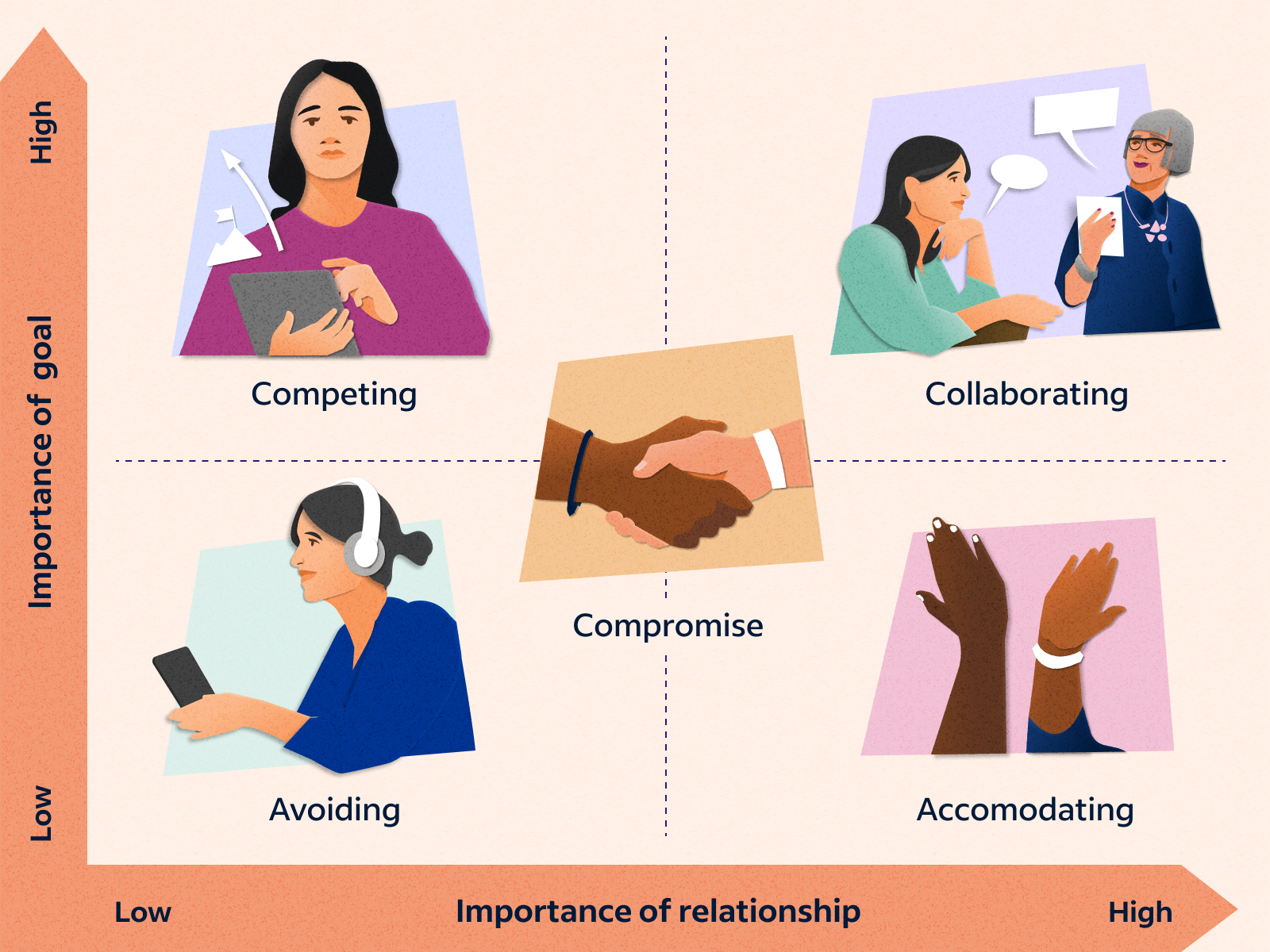
Numerous strategies can facilitate conflict resolution. Negotiation involves finding common ground and making compromises. This requires flexibility and a willingness to consider alternative solutions. Mediation, involving a neutral third party, can be particularly helpful in complex or highly emotional disputes. The mediator helps facilitate communication, identifies common ground, and guides the parties towards a mutually acceptable agreement.
Choosing the Right Approach
The best approach to conflict resolution depends on the nature of the conflict and the relationship between the involved parties. For minor disagreements, a simple conversation might suffice. However, more complex or deeply rooted conflicts may require more structured approaches, such as mediation or even professional counseling. Don't hesitate to seek help from a neutral third party if you're struggling to find a solution on your own.
Maintaining a Positive Relationship After Conflict
Even after resolving a conflict, it's crucial to focus on maintaining a positive relationship. Acknowledge the effort made by both parties to reach a resolution. Express appreciation for their willingness to work through the disagreement. Reiterate your commitment to the relationship and your desire to move forward. If necessary, agree on specific steps to prevent similar conflicts in the future. This proactive approach helps build resilience and strengthen the bond.
Preventing Future Conflicts
To minimize future conflicts, consider establishing clear communication channels, regularly discussing expectations, and proactively addressing minor issues before they escalate. Cultivating empathy and understanding within the relationship creates a foundation for navigating disagreements more effectively in the future. Remember, conflict is a normal part of life; it's how we handle it that truly matters.
0 comments:
Post a Comment
Note: Only a member of this blog may post a comment.