Rekindling the Flame: A Step-by-Step Guide to Getting Back with Your Ex
The sting of a breakup can linger, leaving you yearning for a second chance with your former partner. While there's no guaranteed formula for reconciliation, a thoughtful and respectful approach can significantly increase your odds. This guide provides a structured path, emphasizing self-reflection and genuine communication to navigate this delicate situation.
Step 1: Introspection and Self-Improvement
Before reaching out, engage in serious self-reflection. Honest self-assessment is crucial. Why did the relationship end? What role did you play in the breakup? Identifying your shortcomings and actively working on them demonstrates maturity and a genuine desire for change. This isn't about becoming someone you're not; it's about addressing the issues that contributed to the relationship's demise. Did you neglect their needs? Were you too controlling? Pinpointing these areas allows you to work on becoming a better partner, making a future reconciliation more sustainable. This period of self-improvement shouldn’t be seen as a chore, but as an opportunity for personal growth, making you a stronger and more well-rounded individual, regardless of whether you get back together with your ex.
Focusing on Personal Growth
This involves more than simply acknowledging your flaws. Actively work on them. If communication was a problem, consider taking a communication skills course or actively practicing better listening skills with friends and family. If trust was broken, rebuild it by being consistently reliable and honest in your interactions with others. These actions speak louder than words when you eventually reach out to your ex.
Step 2: The No-Contact Period
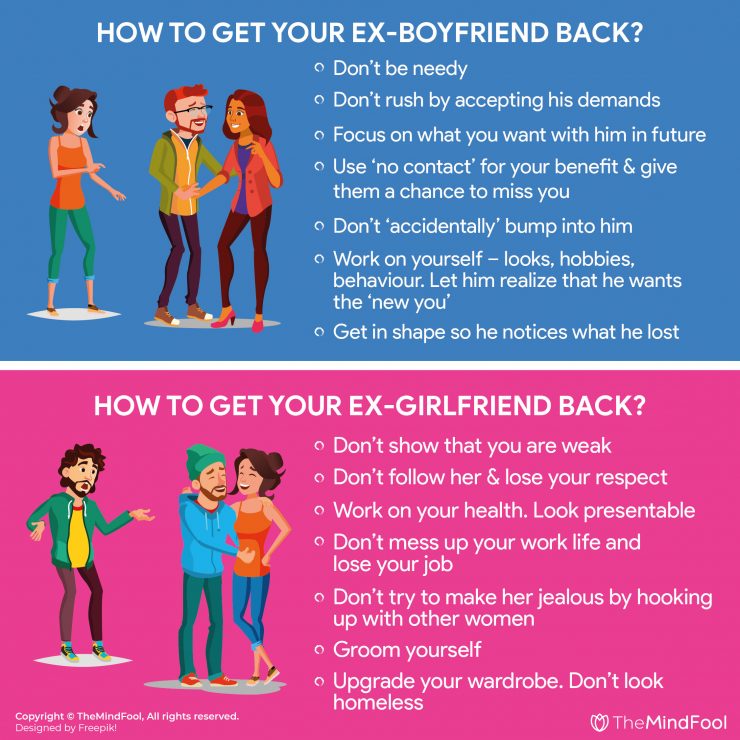
After your self-reflection, implement a strict no-contact period. This isn't about playing games; it's about giving both of you space to heal and process the breakup. This period allows your ex to miss you and provides you with time to demonstrate that you've genuinely changed. The length of this period varies depending on the relationship's length and the severity of the breakup. A minimum of 30 days is generally recommended, but some situations may warrant longer. During this time, focus on your own well-being; pursue hobbies, spend time with loved ones, and nurture your personal growth.
Step 3: The Reapproach
Once the no-contact period has concluded, initiate contact cautiously. Avoid bombarding your ex with messages. A simple, well-thought-out message expressing your desire to reconnect, focusing on a neutral topic, is ideal. Perhaps mention something you've been doing that relates to your personal growth. For example, "Hi [Ex's Name], I hope you're doing well. I've been focusing on [hobby/personal improvement] lately and it's helped me a lot. I was wondering if you'd be open to grabbing coffee sometime just to catch up?" Keep it brief, friendly, and non-demanding. Respect their response, whether positive or negative.
Choosing the Right Time and Place
Consider your ex's personality and preferences when choosing how and when to reach out. A casual encounter might work better for some than a formal dinner date. Remember, the goal is to reconnect, not to pressure them into a relationship. Be prepared for any outcome â€" a potential reunion is only one possibility.
Step 4: Honest and Open Communication
If your ex agrees to meet, engage in open and honest communication. Acknowledge your past mistakes without making excuses. Express your genuine remorse and your commitment to personal growth. Listen attentively to their perspective, validating their feelings even if you don't agree with them. This shows respect and a willingness to understand their point of view. Remember, the conversation should focus on rebuilding trust and understanding, not on rehashing old arguments.
Step 5: Moving Forward (or Accepting Closure)
Regardless of the outcome, approach this process with respect for your ex's feelings. Accept their decision, even if it's not the one you hoped for. Getting back together shouldn't be the sole focus. The journey of self-improvement and open communication is valuable in itself. It strengthens you as an individual, enabling you to build healthier relationships in the future, whether with your ex or someone new.
Remember, reconciliation is a complex process with no guarantees. This guide offers a framework, but the specific approach will depend on your unique circumstances. Prioritize self-respect, honesty, and respect for your ex throughout the process.
0 comments:
Post a Comment
Note: Only a member of this blog may post a comment.